- Persian 🇮🇷
BODY MAP
SUPPORT THAT MOVES WITH YOU.
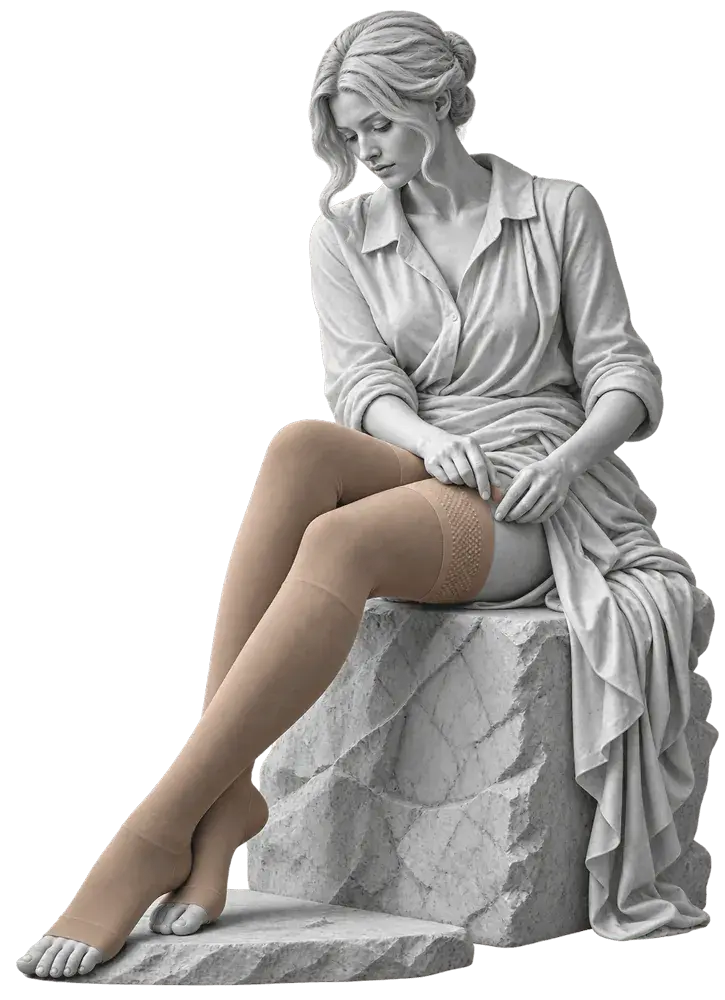
FORGED FROM STONE. BUILT FOR MOTION.
Body Map was born where pressure meets resistance, forged from stone, shaped by strength, and built to move beyond limits. What began as a force of support is becoming a kingdom of motion, expanding its reach, challenging boundaries, and redefining orthopedic performance with every step forward.

BUILT AROUND THE BODY
Made For Real Life
Body Map creates orthopedic supports around the body’s natural structure, not against it. We believe support should do more than simply hold the body in place; it should respond to the way people move, work, recover, and live every day. That belief shapes every decision we make, from the form and fit of each product to its materials, compression, adjustability, and stability. By combining thoughtful design with practical function, we create solutions for different bodies, different needs, and different stages of movement. The result is support that feels considered, comfortable, and ready for real life, helping people move forward with greater confidence.


Scan the body
WHERE DOES A BODYMAP
SUPPORT BEGIN?
MOVE ACROSS THE BODY TO FIND OUT
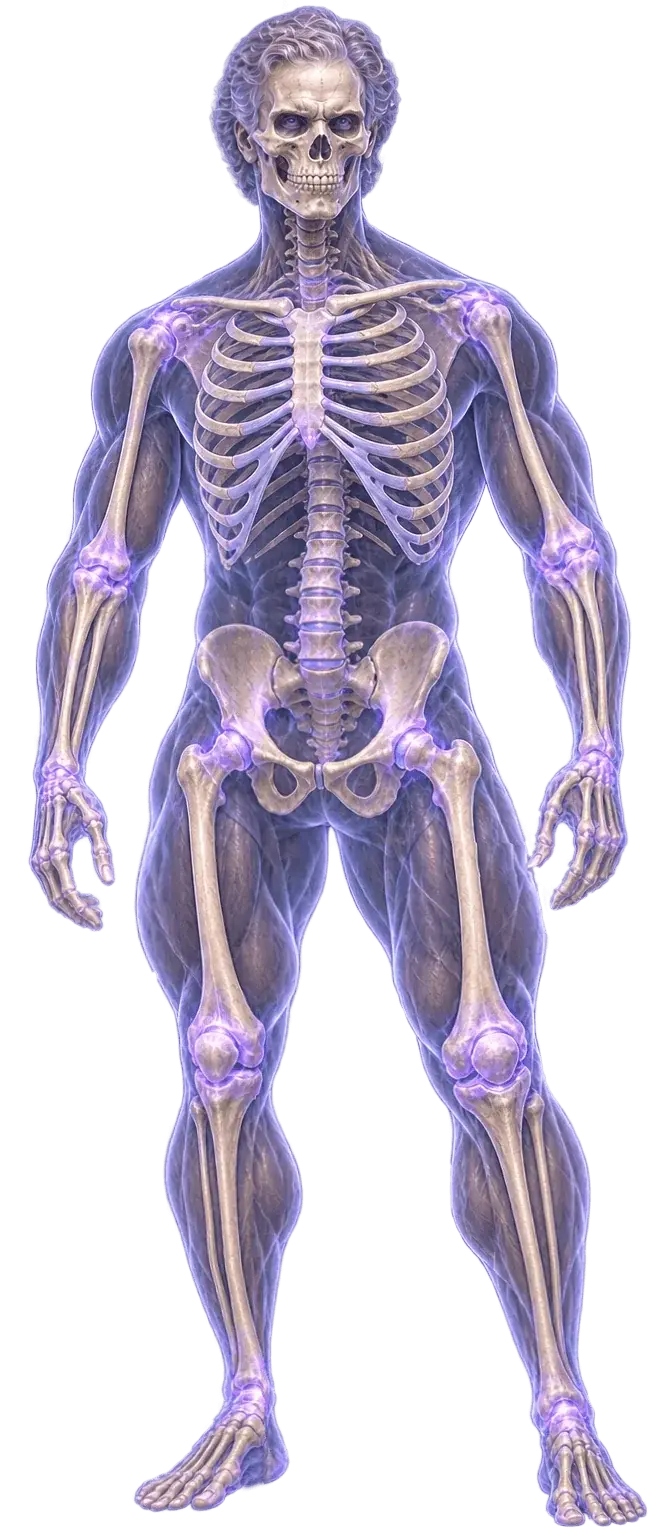
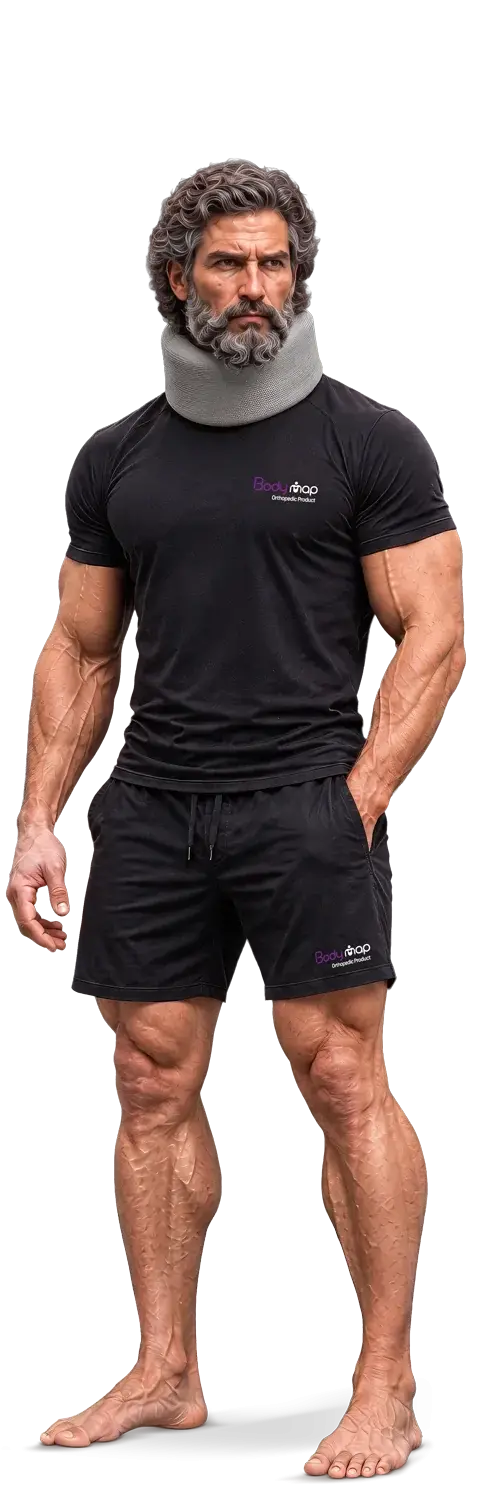
Every part of the body moves differently, carries a different load, and may require a different approach to support. Body Map brings those needs together in one interactive guide, allowing you to explore the collection from the body outward. Hover over or tap any illuminated point on the figure to open the category connected to that region, review available products, compare their intended type of support, and see practical information such as product descriptions, codes, and pricing. Move from cervical and chin supports to posture and arm products, elbow braces, lumbosacral and abdominal belts, wrist, hand and thumb supports, knee braces, compression stockings, ankle supports, and upcoming silicone products. Whether you are browsing for everyday comfort, added stability, compression, or a product recommended by a healthcare professional, the Body Map helps you navigate every category with greater clarity and find the most relevant place to begin. Product selection, sizing, and use should always follow the individual product guidance and professional advice where required.
Clickor tap on mobile—to keep the selected details open on the right.
NECK & CHIN
SUPPORT OPTIONS
THREE OPTIONS FOR NECK, CHIN & JAW
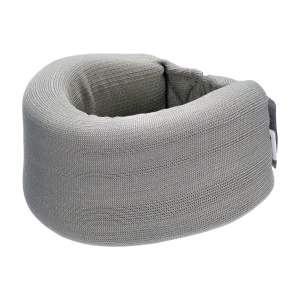
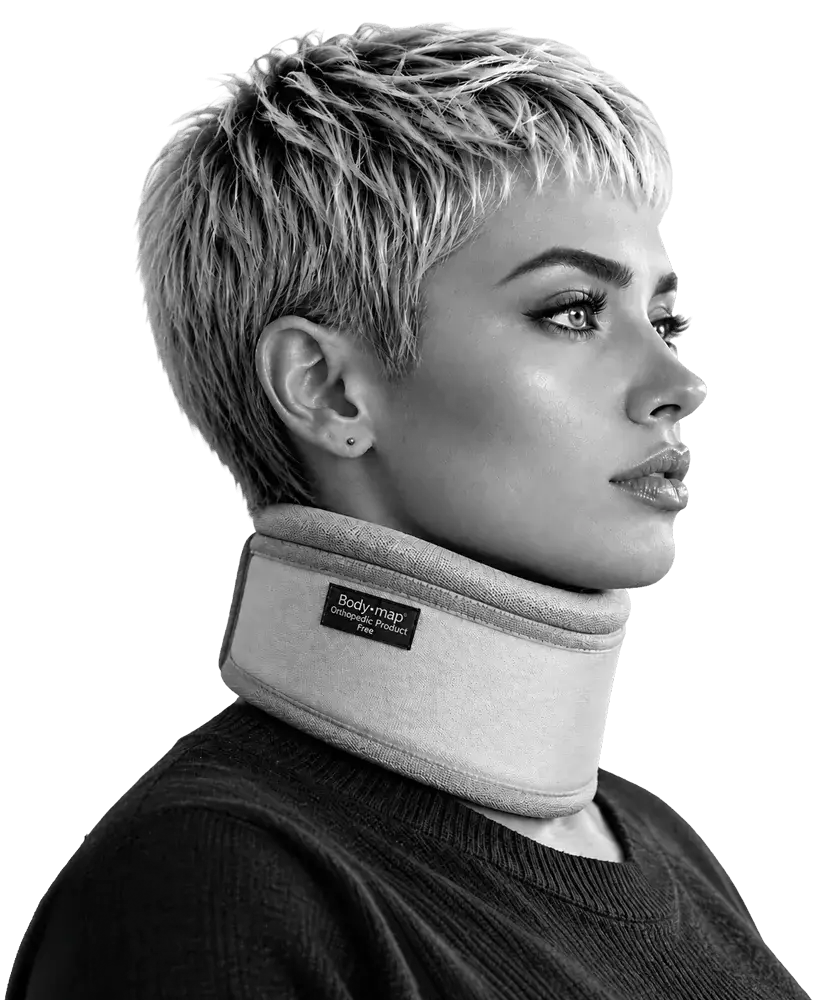
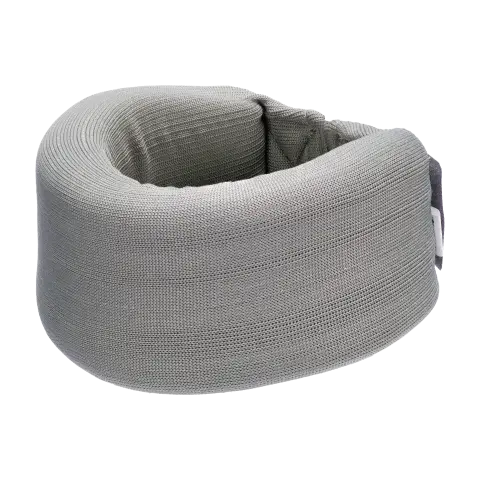
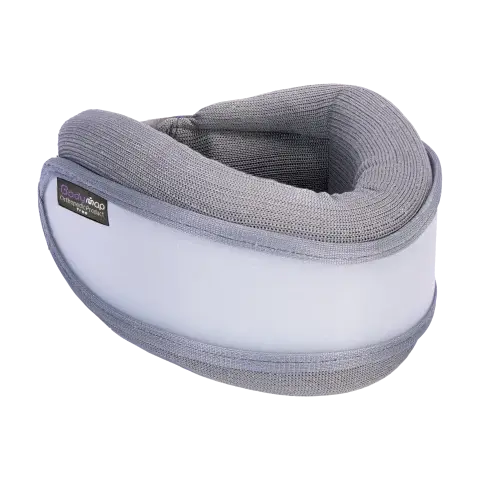
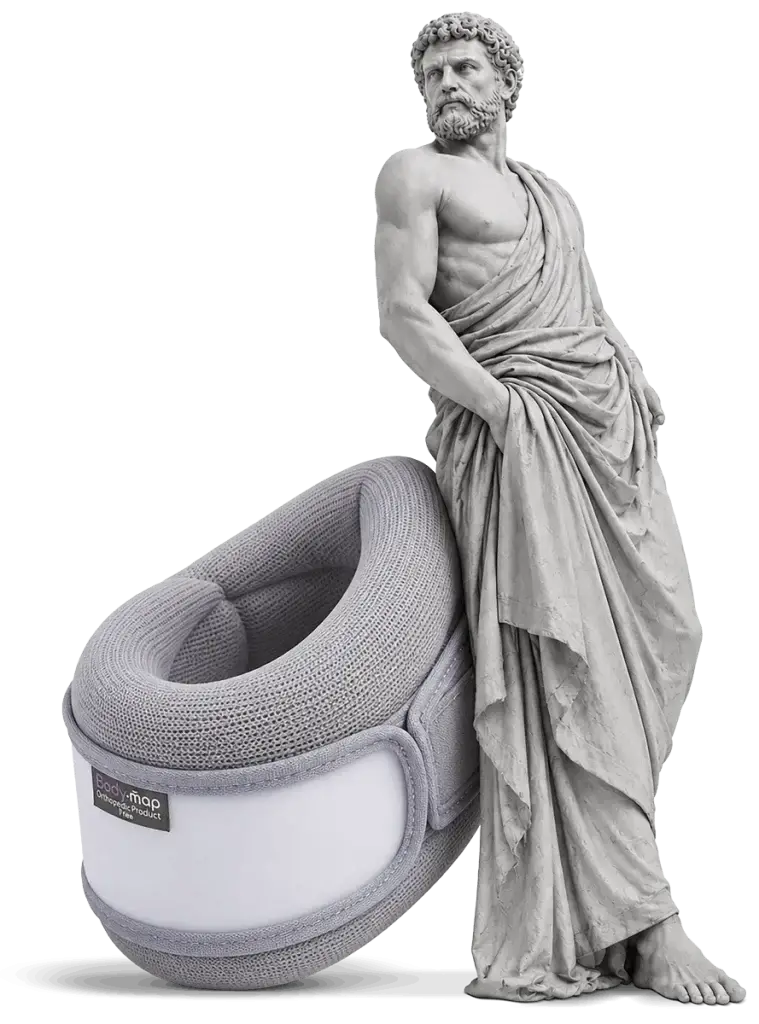
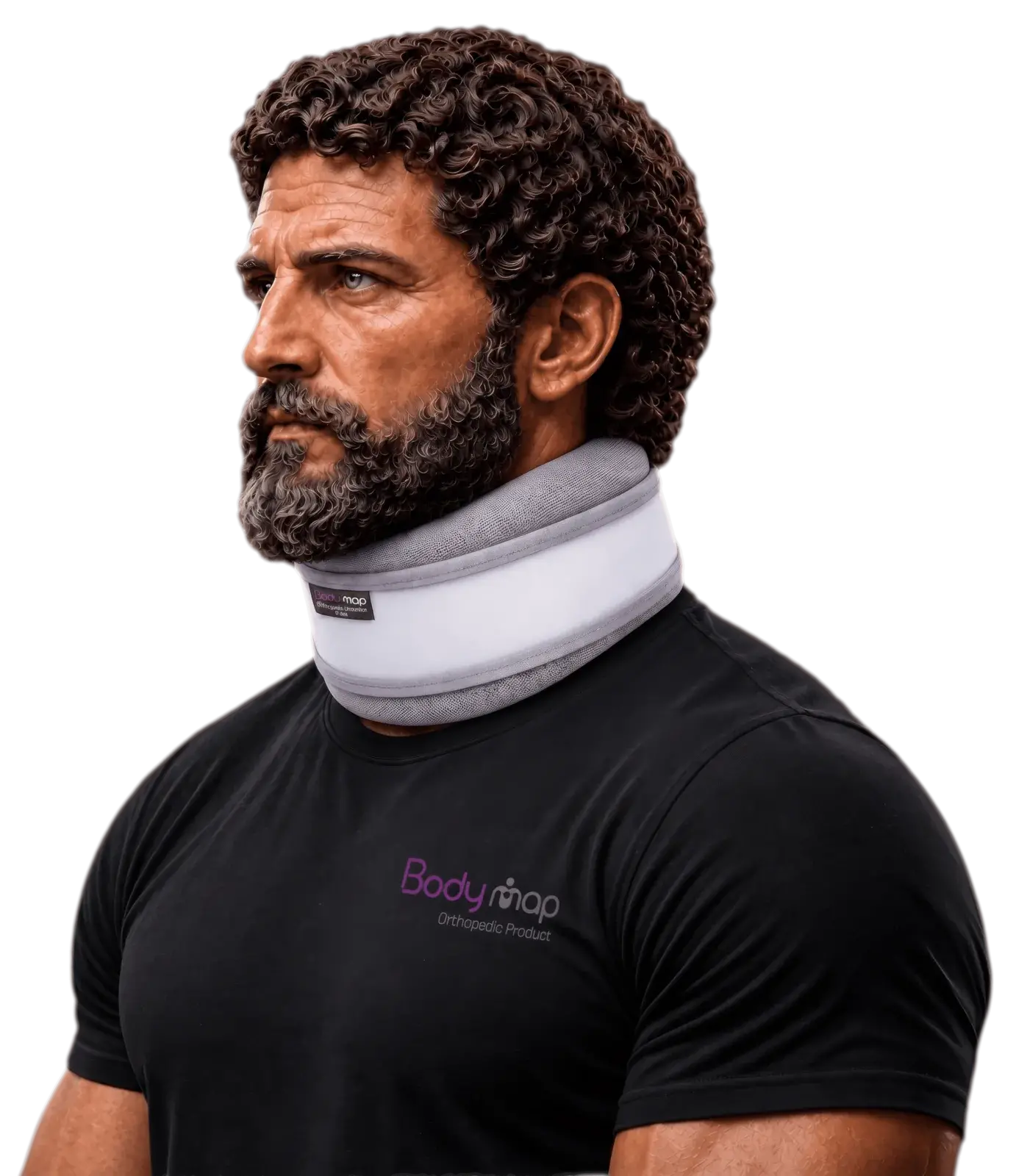
The neck carries the weight of the head through every hour of the day, and the joints and soft tissue that hold it there tire under long static postures, travel, or recovery after a strain. This category brings together three focused options for the neck, chin, and jaw. A lightweight soft cervical collar limits everyday movement gently and is often chosen for comfort and reassurance. A cushioned semi-rigid collar adds structure where firmer positioning is wanted. An adjustable chin and jaw support strap works higher, holding the jaw closed and supporting the underside of the chin. Each offers a different balance of comfort, structure, and adjustability, and each fastens so the fit can be adapted as the day goes on. Collar height, neck circumference, and how much movement should still be allowed are the practical points to weigh when choosing between them. A collar should feel supported rather than tight, and should never press on the throat. Product selection, sizing, and wear duration should always follow the individual product instructions and professional advice where required.
Soft Cervical CollarA lightweight soft collar designed to provide gentle cervical support while preserving comfortable day-to-day movement.C01Contact us
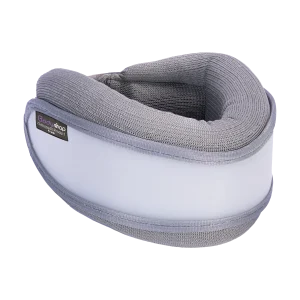
Semi-Rigid Cervical CollarA semi-rigid cervical collar that combines structured neck support with a cushioned, adjustable fit.C02Contact us
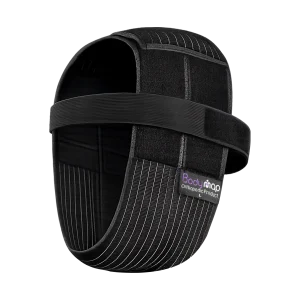
Chin & Jaw Support StrapAn adjustable strap designed to provide gentle, even support around the chin and jaw area.C20Contact us
3 products
Clickor tap on mobile—to keep the selected details open on the right.
ARM & CHEST
SUPPORT OPTIONS
TWO OPTIONS FOR ARM AND POSTURE
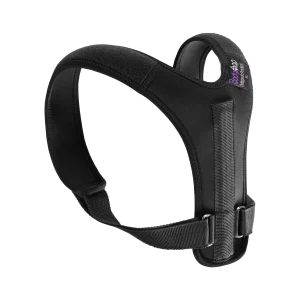
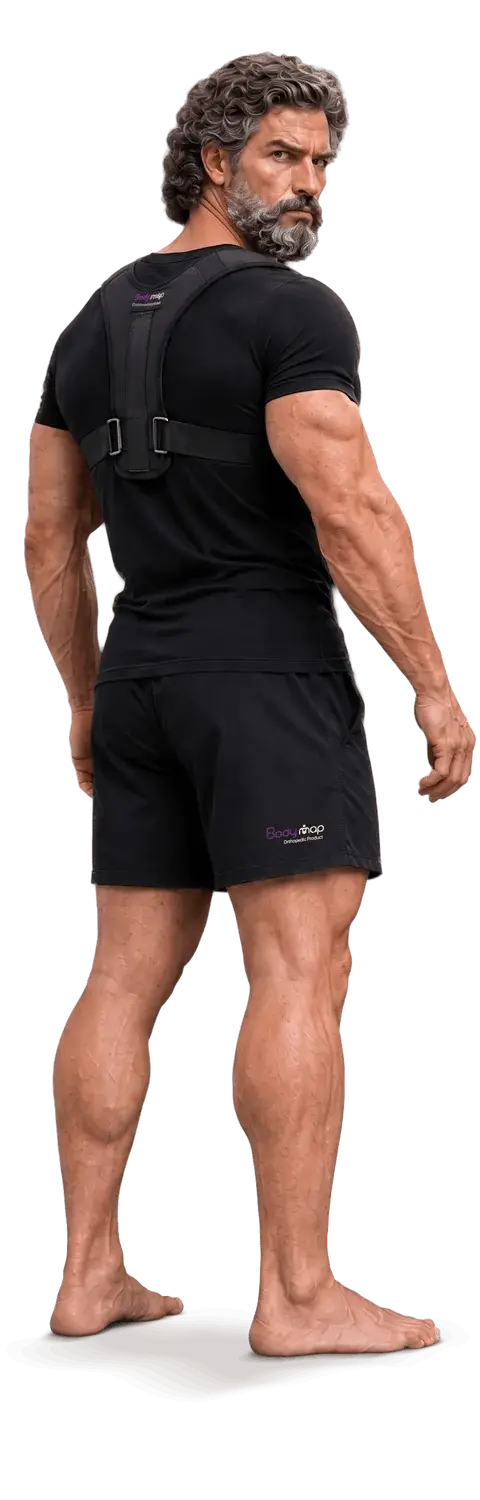
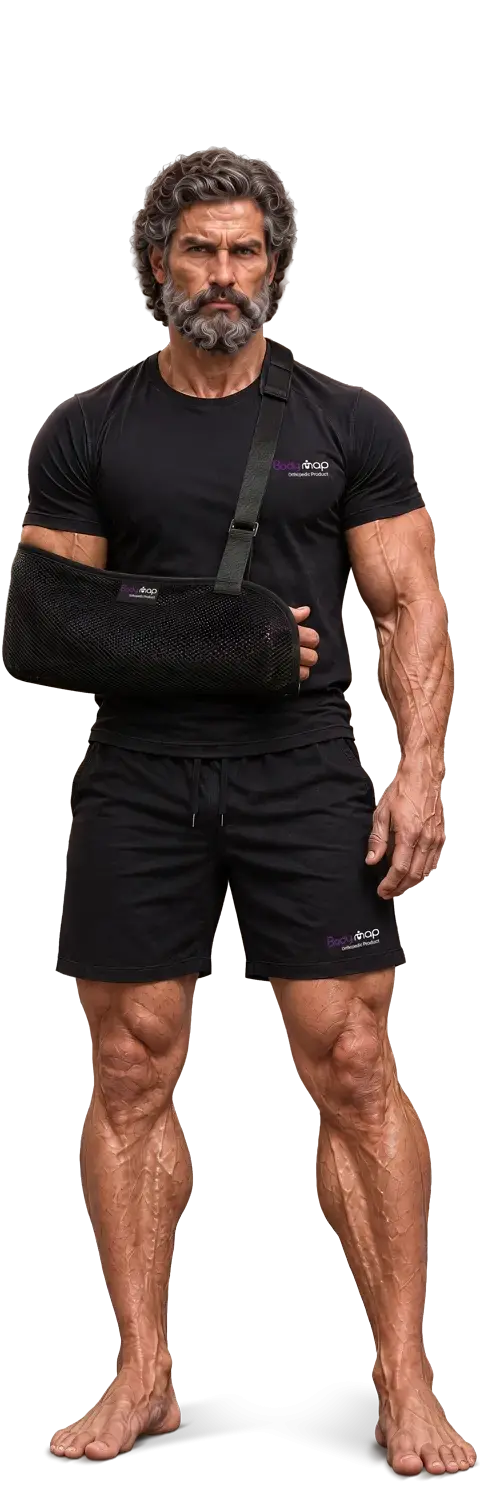
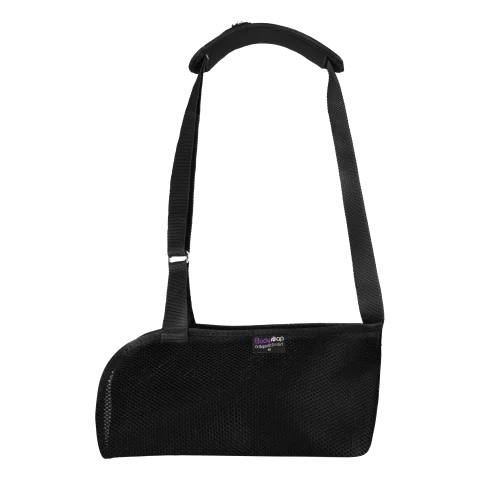
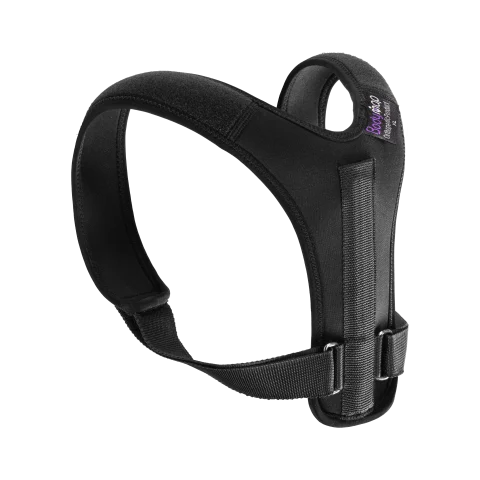
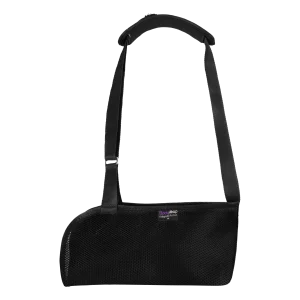
The shoulder girdle is the most mobile part of the body, and that freedom is bought with stability: the arm hangs from soft tissue, and the upper back rounds forward under the hours most people now spend at a desk or a screen. This category holds two products that answer those two situations. A pouch arm sling carries the weight of the forearm across the body and takes the pull off the shoulder while an arm is resting or recovering, with a strap that adjusts to set the height of the elbow. A posture support brace works across the shoulders instead, drawing them back into a more open position and reminding the wearer of it as they move. One is worn for a period of rest, the other for periods of activity, and the two are chosen for different reasons rather than compared. A sling is sized by the forearm and worn on one side; a posture brace is sized across the chest and is built up gradually rather than worn all day from the first. Fit, strap length, and how long the support is worn each day should follow the individual product instructions and professional advice where required.
Clickor tap on mobile—to keep the selected details open on the right.
THE ELBOW
SUPPORT OPTIONS
ONE OPTION FOR TENDON RELIEF
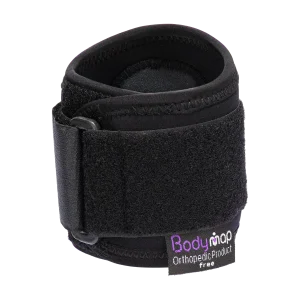
Few joints are loaded as repetitively as the elbow. The tendons that anchor the forearm muscles to the bone are worked by every grip, lift, turn of a handle, and stroke of a racket, and the discomfort that follows is usually felt at a small, precise point on the outside of the joint rather than across it. This category holds a focused answer to that pattern. A tennis elbow strap is worn on the forearm a little below the joint, where a compression pad rests over the muscle belly rather than over the sore point itself, so that load reaching the tendon is spread rather than concentrated. It is fastened to a firmness the wearer sets, and it is made to be put on and taken off around the activity that provokes the symptoms rather than worn without pause. The forearm circumference a little below the joint is what decides the size, not the width of the elbow itself. Where symptoms are persistent, severe, or unexplained, they deserve assessment. Product selection, positioning, tension, and wear duration should follow the individual product instructions and professional advice where required.
Clickor tap on mobile—to keep the selected details open on the right.
BACK & WAIST
SUPPORT OPTIONS
THREE OPTIONS FOR THE LOWER BACK
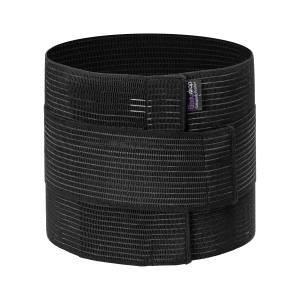
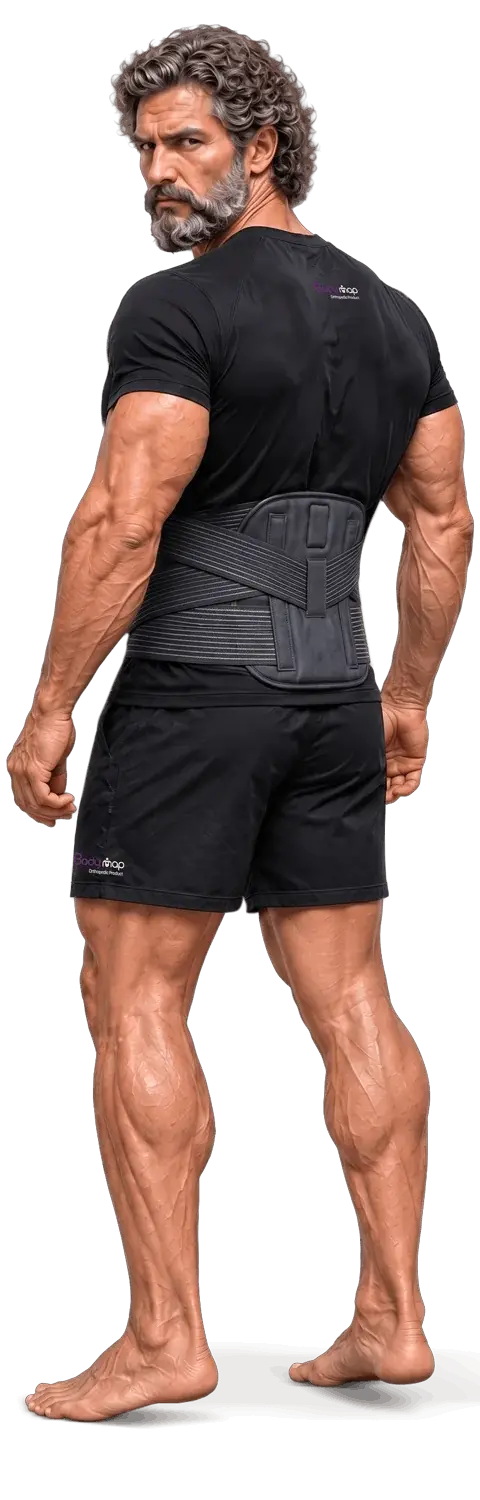
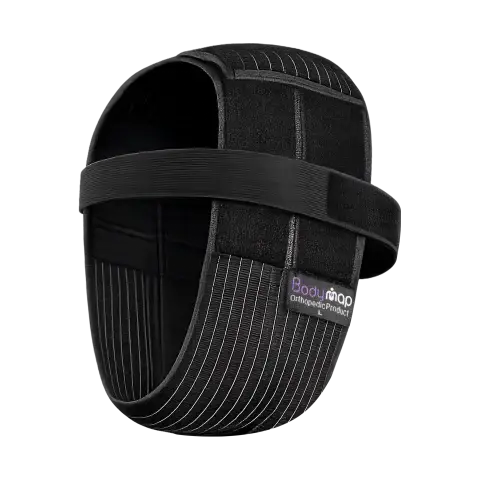
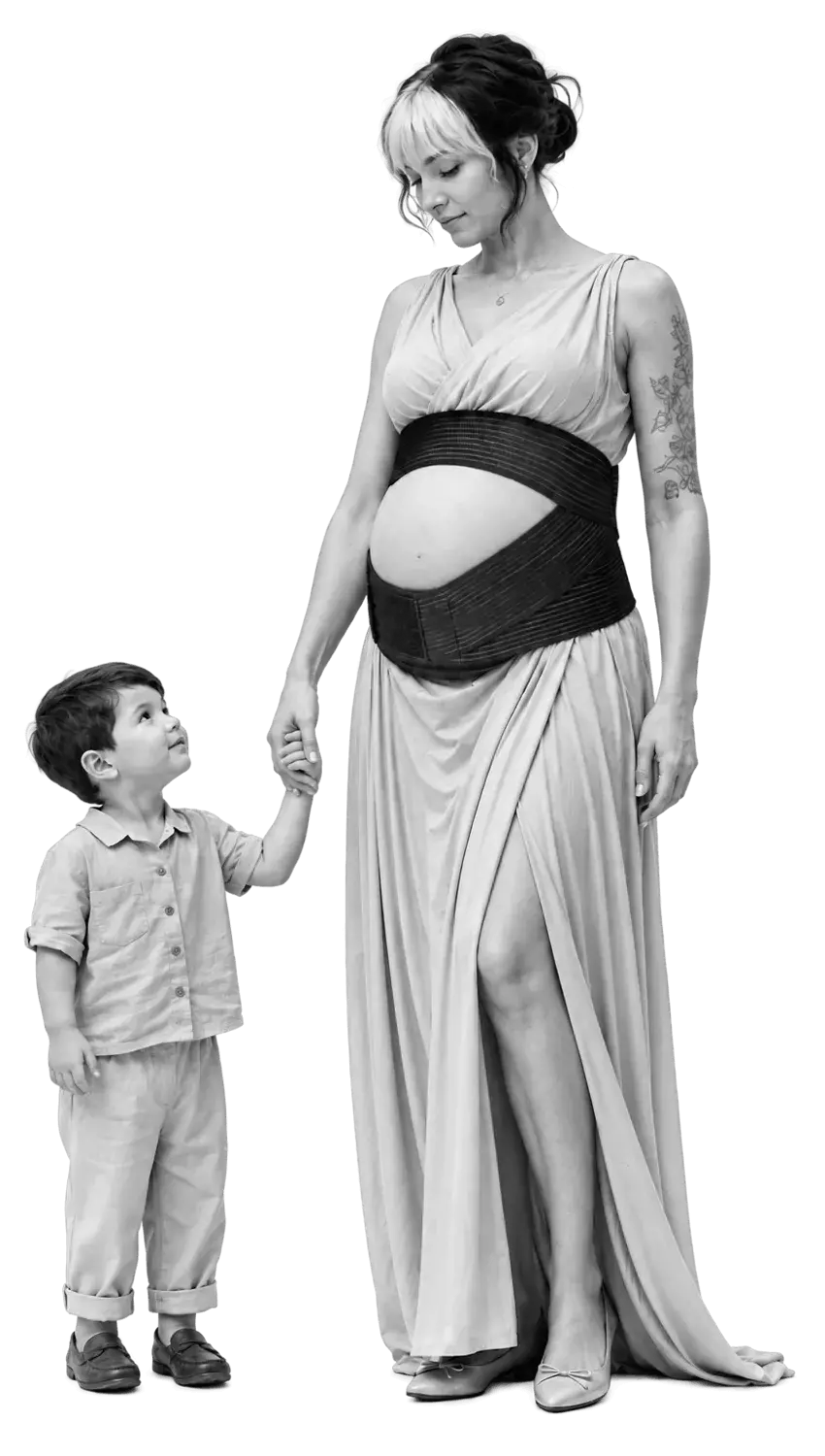
The lower back carries and transfers the load of the whole upper body, and it is asked to do so while bending, lifting, twisting, and sitting still for hours at a time. This category brings together three belts that answer that in different ways. An abdominal support belt is wide and adjustable, and gives comfortable compression and light support around the waist and lower back. A rigid lumbosacral belt is reinforced, and is made where firmer, more definite support across the lower back and waist is wanted. A maternity back support belt is shaped instead for a growing abdomen, helping distribute its load rather than compress it. All three are sized by the measurement around the waist, so a tape rather than a guess is what decides the size. A belt is meant to support work, not to replace it: worn for the hours it is needed and eased afterwards, it leaves the muscles of the trunk their own share. Product selection, sizing, and the length of time a belt is worn should always follow the individual product instructions and professional advice where required.
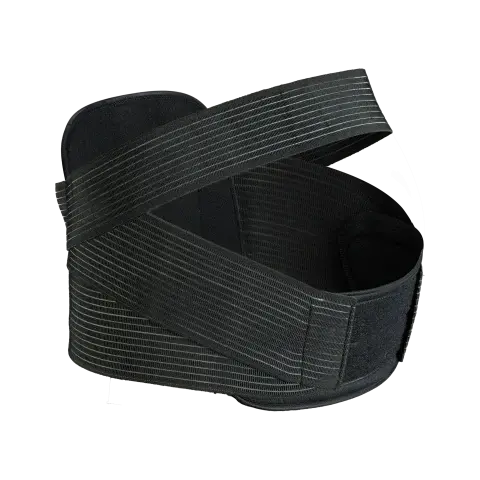
Abdominal Support BeltA wide adjustable belt that provides comfortable abdominal compression and light support around the waist and lower back.B01Contact us
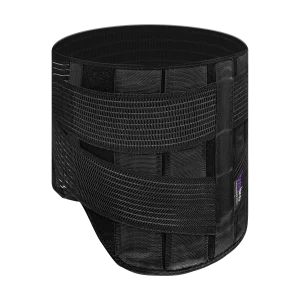
Rigid Lumbosacral Support BeltA reinforced lumbosacral belt designed to provide firm, adjustable support across the lower back and waist.B10Contact us
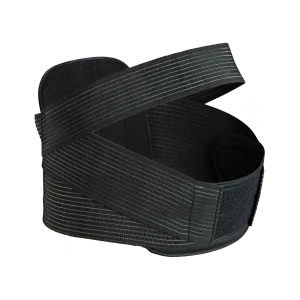
Maternity Back Support BeltAn adjustable maternity belt designed to support the growing abdomen and help distribute load across the lower back.B20Contact us
3 products
Clickor tap on mobile—to keep the selected details open on the right.
WRIST & HAND
SUPPORT OPTIONS
THREE OPTIONS FOR WRIST AND HAND
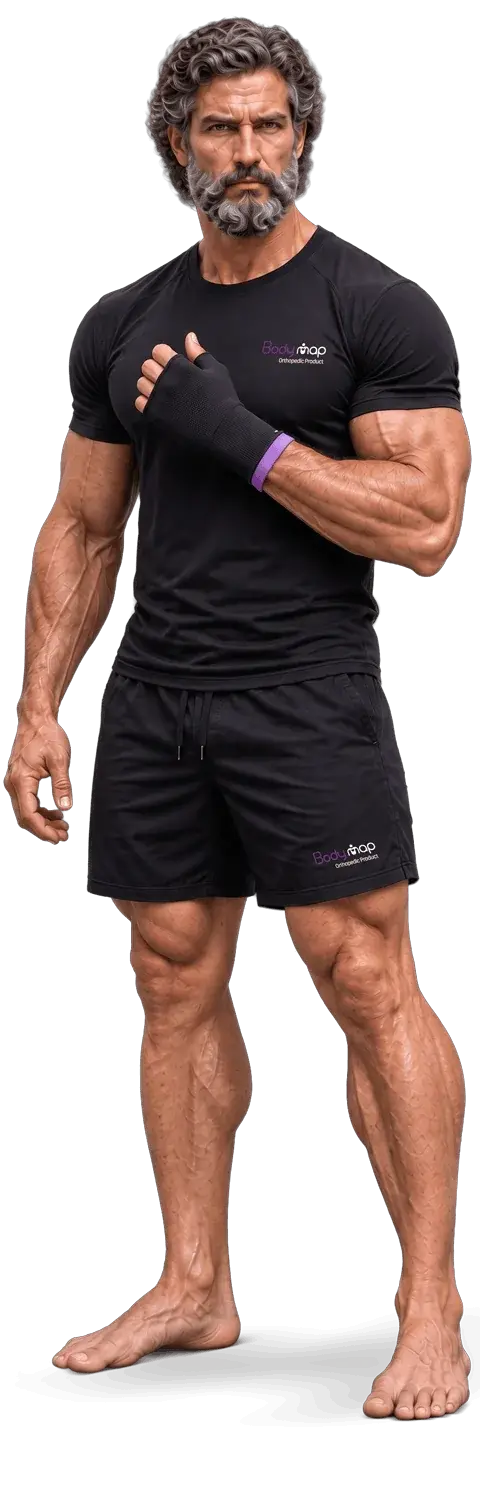
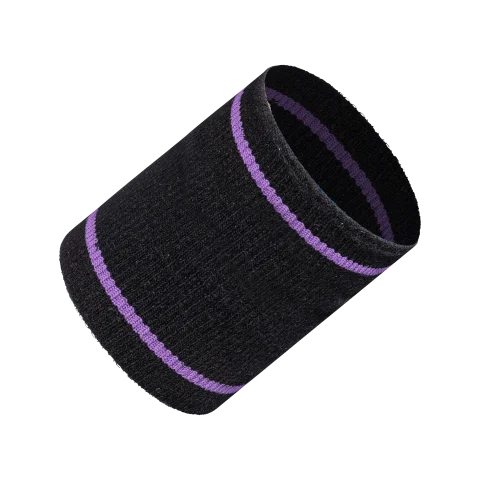
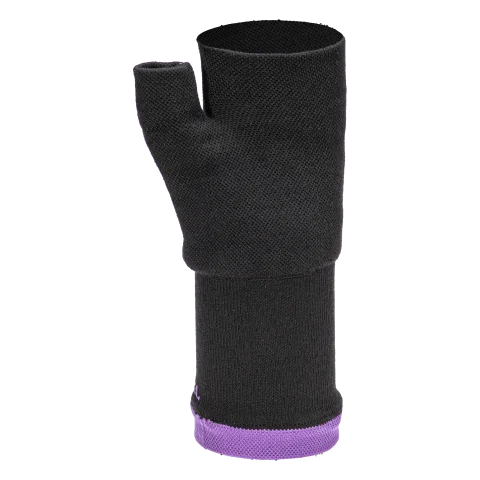
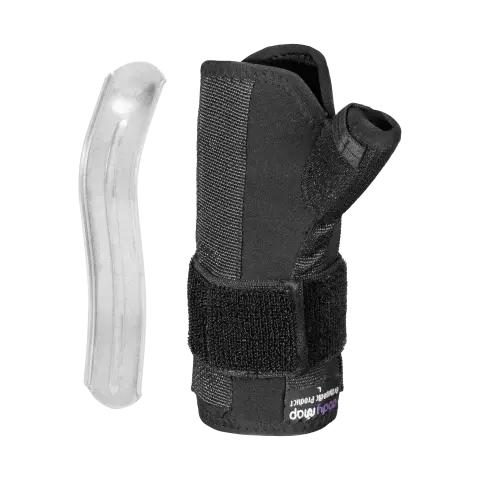
The wrist is a small, crowded joint that the hand asks a great deal of, and it is loaded in ways that are easy to overlook: typing, gripping, carrying, pushing up from a chair. This category brings together three supports that differ mainly in how much they hold and how much they leave free. An adjustable wrist wrap fastens to the firmness the wearer chooses and can be tightened for a task and eased afterwards. A knitted wrist support is lighter and closer to the skin, giving steady, even compression that can be worn through a longer stretch of the day. An elastic hand and wrist support reaches further into the hand, taking in more of the palm where support is wanted beyond the joint alone. Hand circumference, which side the support is for, and how much movement should remain are the practical points to weigh. A support that is comfortable at rest can be too tight once the hand is working, so the fit is worth checking with the fingers moving. Product selection, sizing, and wear duration should follow the individual product instructions and professional advice where required.
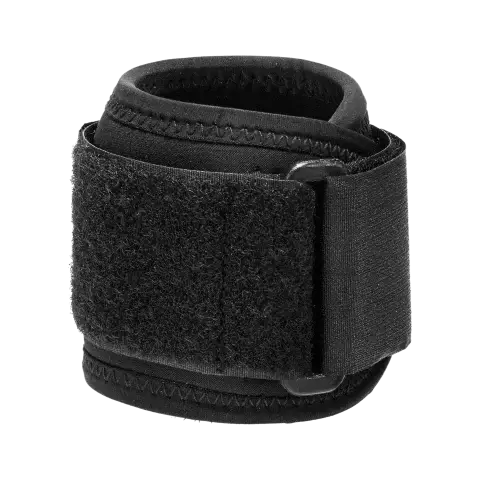
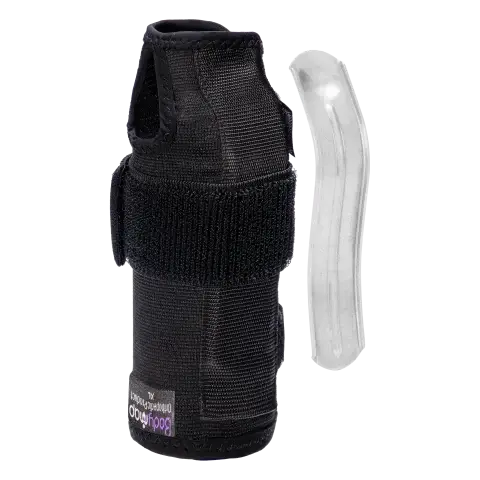
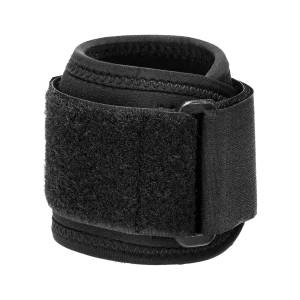
Adjustable Wrist WrapA wraparound wrist support with an adjustable closure for personalized compression and unrestricted finger movement.W01Contact us
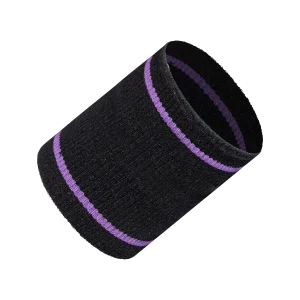
Knitted Wrist SupportA soft pull-on wrist support that provides light, even compression for everyday activity.W02Contact us
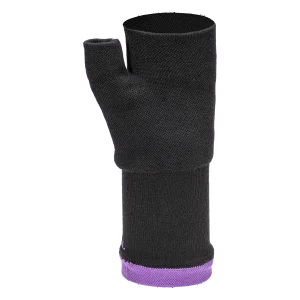
Elastic Hand & Wrist SupportAn elastic support that covers the wrist and part of the hand while leaving the fingers free for daily movement.W03Contact us
6 products
Clickor tap on mobile—to keep the selected details open on the right.
THE KNEE
SUPPORT OPTIONS
THREE OPTIONS FOR THE KNEE JOINT
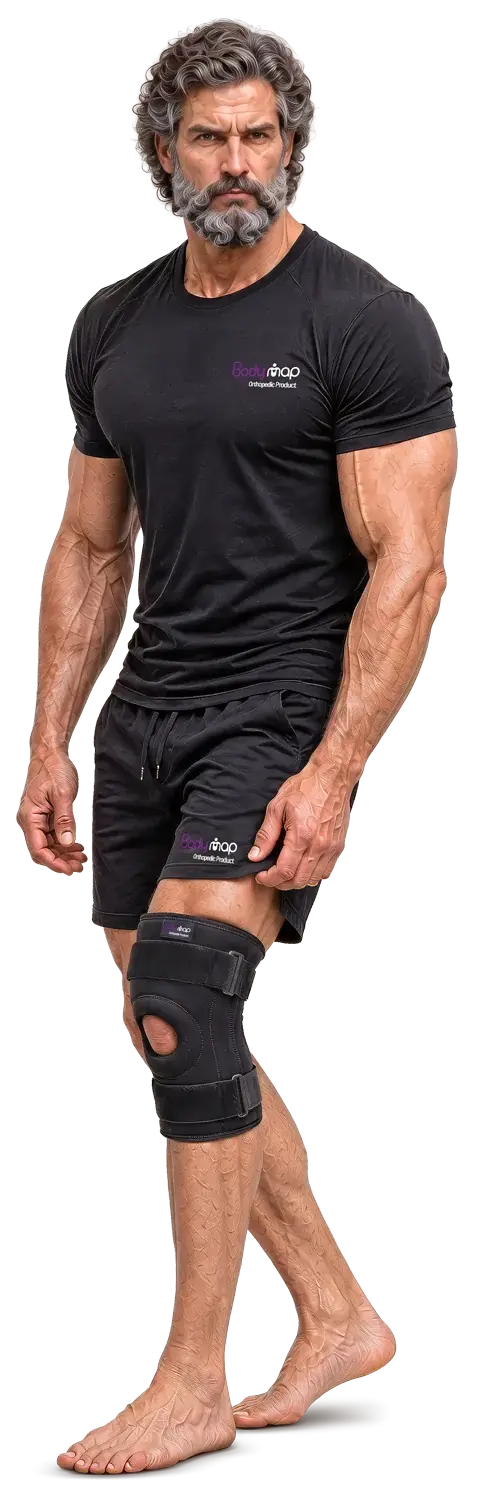
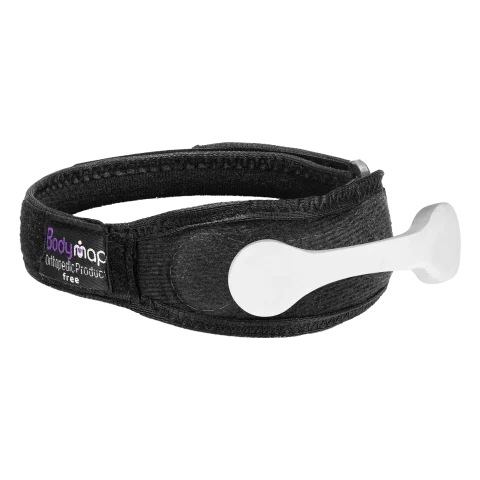
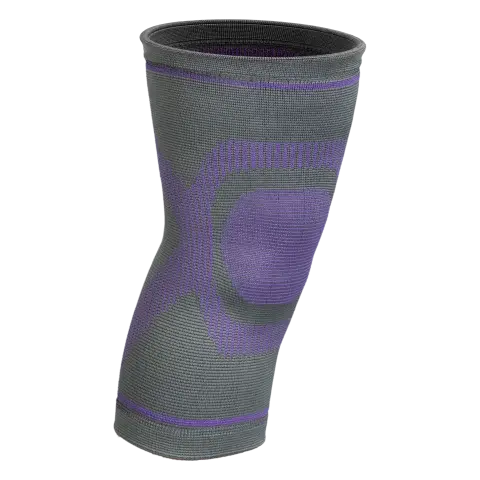
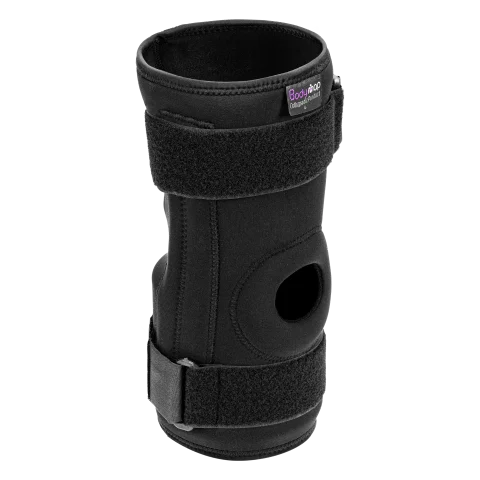
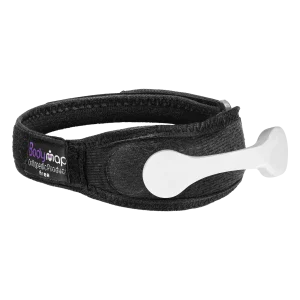
The knee takes more load than any other joint in daily life, and it takes it through a long, exposed range of movement. Every stair, every squat, every kilometre walked passes through it. This category brings together three supports that work in noticeably different ways. A patellar tendon strap is narrow and precise, sitting below the kneecap and spreading load away from the tendon at a single point. A zoned knitted knee support varies its knit around the joint, holding more firmly where support is wanted and staying softer where the leg has to bend. An elastic knitted knee support gives even, all-round compression and warmth for general use. The choice is between a targeted strap and a support that surrounds the joint, and between firmer structure and easier movement. Size is taken from the circumference of the leg at the points the product specifies, measured on a leg that has not been standing all day. Product selection, sizing, and how long a support is worn should always follow the individual product instructions and professional advice where required.
Patellar Tendon StrapAn adjustable strap designed to apply focused support below the kneecap while keeping the knee free to bend.K01Contact us
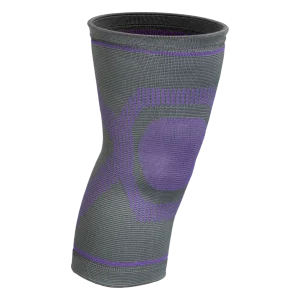
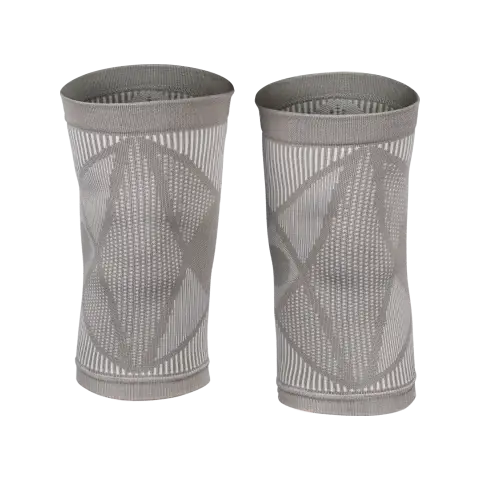
Zoned Knitted Knee SupportA breathable knitted knee sleeve with zoned construction around the kneecap for balanced support and mobility.K04Contact us
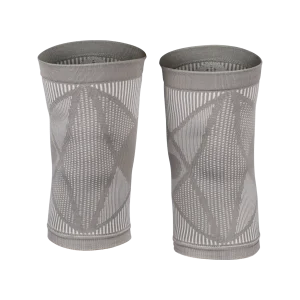
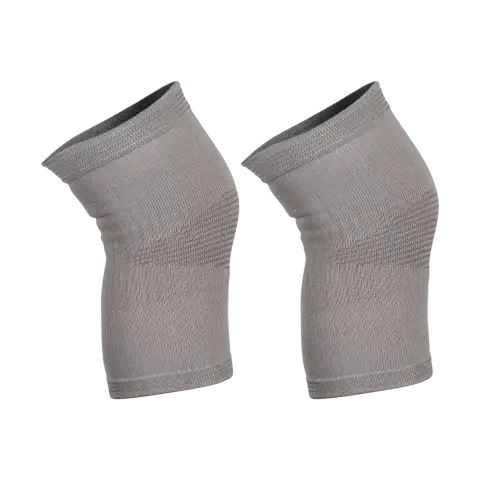
Elastic Knitted Knee SupportA lightweight elastic knee sleeve that provides gentle, even compression for routine activity.K05Contact us
7 products
Clickor tap on mobile—to keep the selected details open on the right.
LEG VEINS
COMPRESSION WEAR
TWO LENGTHS, FITTED BY MEASURE
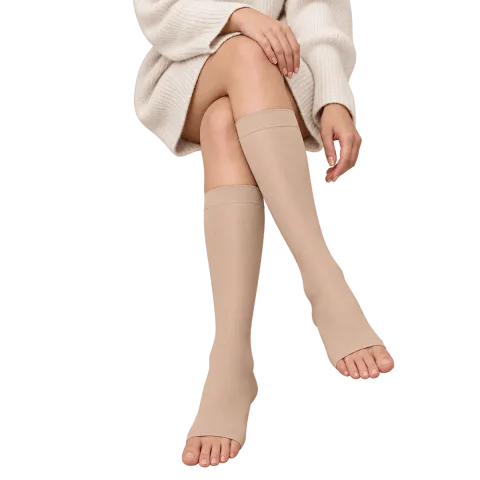
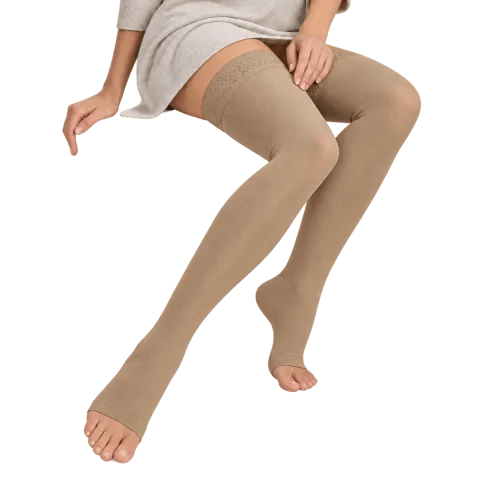
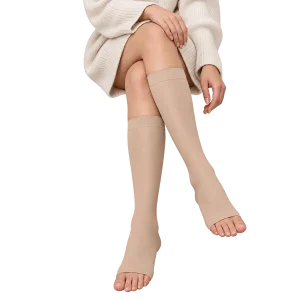
Compression stockings are not garments to be chosen by eye. They work by graduated pressure along the leg, supporting the return of blood upward, and both the strength of that pressure and the fit of the garment are clinical decisions rather than matters of preference. This category holds two Class 2 stockings that differ in length: a below-knee stocking, and a thigh-high stocking for where support is wanted above the knee as well. Both should be measured and fitted by a healthcare professional, put on early in the day before the leg has swollen, and checked for wrinkles and rolled edges, which concentrate pressure where none was intended. Compression is not suitable for everyone: where arterial circulation is impaired, or where there is any doubt about it, a stocking should not be worn until a clinician has assessed the leg. Elasticity is also lost gradually with washing and wear, and a pair that no longer feels firm is no longer doing what it was fitted to do. Selection, sizing, wearing, and care should always follow the individual product instructions and professional advice.
Class 2 Below-Knee Compression Stockings (AD)Class 2 graduated compression stockings in an AD below-knee length, designed for professionally selected daily compression therapy.V40Contact us
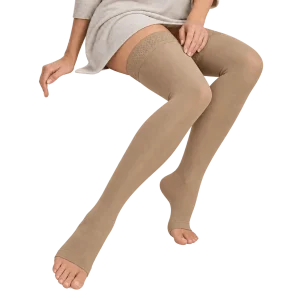
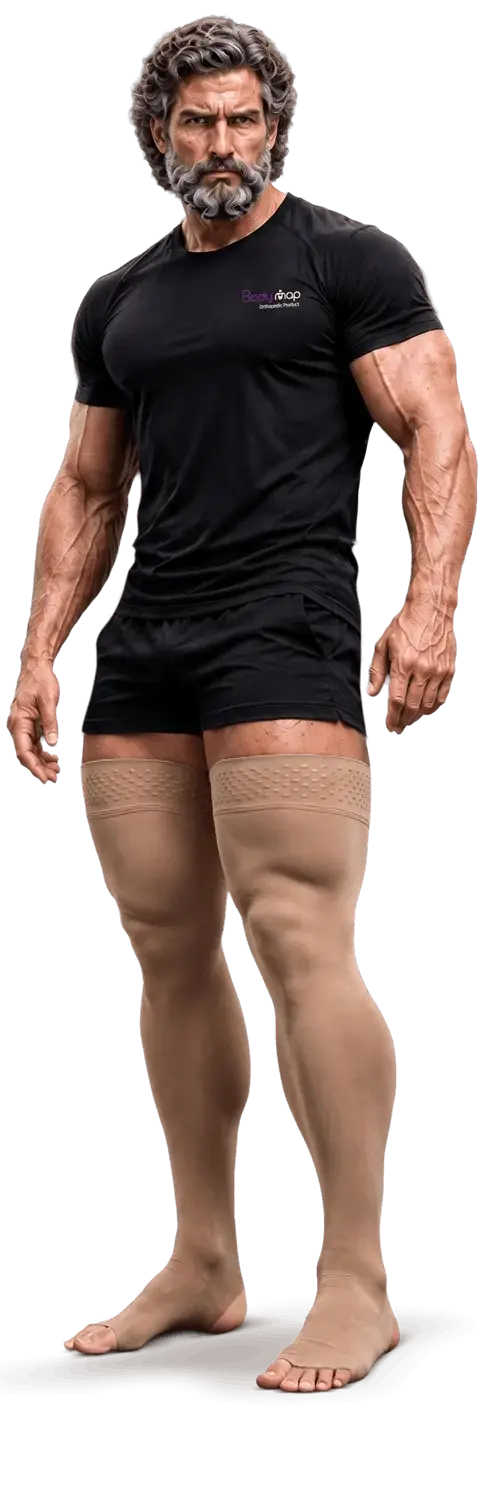
Class 2 Thigh-High Compression Stockings (AG)Class 2 graduated compression stockings in an AG thigh-high length with a silicone top band for professionally selected daily therapy.V60Contact us
2 products
Clickor tap on mobile—to keep the selected details open on the right.
THE ANKLE
SUPPORT OPTIONS
THREE OPTIONS FOR THE ANKLE JOINT
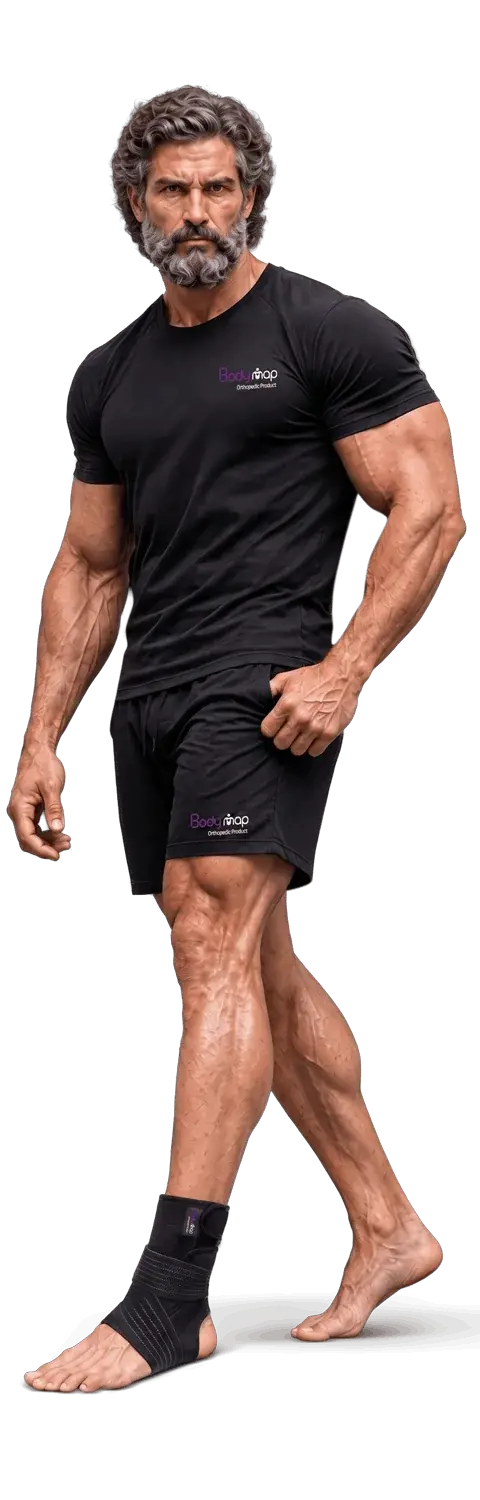
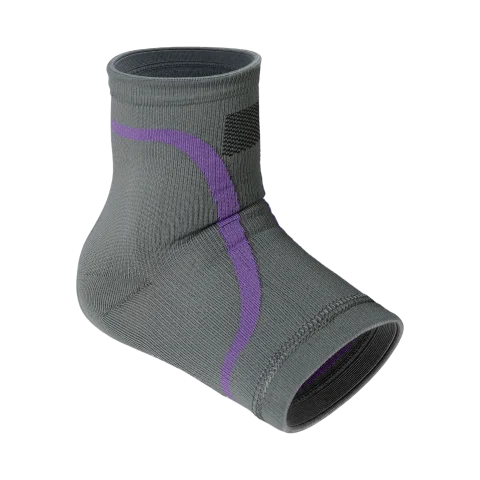
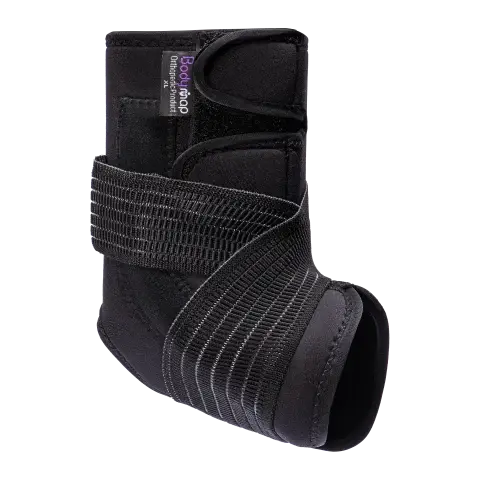
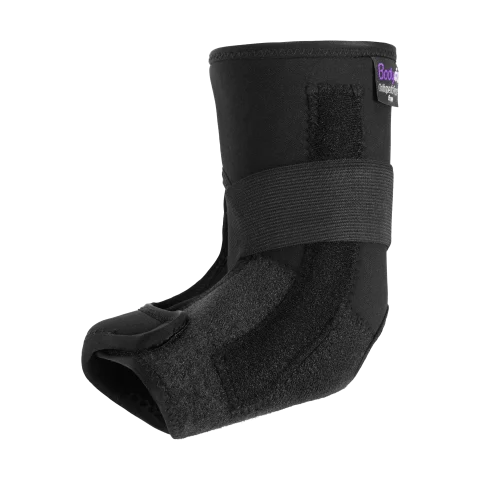
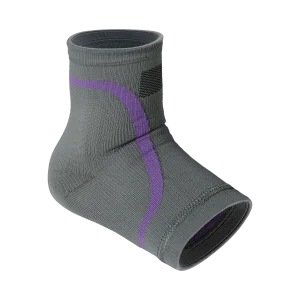
The ankle meets the ground first and takes the whole of the body over uneven surfaces, kerbs, and stairs, which is why it is among the most commonly turned joints in the body. This category brings together three supports that differ in how firmly they hold and how easily they fit inside a shoe. A Comfeel ankle support is soft and close-fitting, made for comfort through a long day on the feet. A buckled ankle support adds fastenings, so the firmness can be set by the wearer and adjusted as activity changes. An elastic ankle support gives even compression and warmth around the joint for general everyday use. Shoe fit matters as much as ankle size here: a support has to sit inside footwear without crowding it. Size is taken from the circumference around the ankle, and an ankle that gives way repeatedly deserves assessment rather than a tighter strap. The closure is worth checking again after a few wearings, once the fabric has settled. Product selection, sizing, and how long a support is worn should always follow the individual product instructions and professional advice where required.
Comfeel Ankle SupportA soft pull-on ankle support designed to provide light compression while allowing natural foot movement.A01Contact us
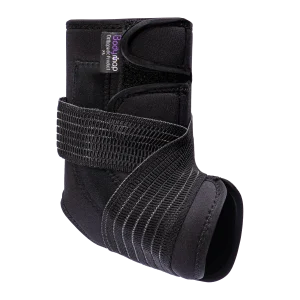
Buckled Ankle SupportAn adjustable ankle support with a buckle-and-strap system for customizable compression and stability.A05Contact us
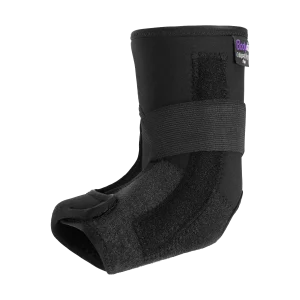
Elastic Ankle SupportA pull-on elastic ankle support that provides light compression for walking and everyday activity.A06Contact us
3 products

Clickor tap on mobile—to keep the selected details open on the right.
SILICONE
FOOT PRODUCTS
IN PREPARATION, COMING SOON
Medical silicone does something no fabric support can: it cushions where the body meets a hard surface, and it holds its shape while doing it. Under the heel, between the toes, over a pressure point inside a shoe, it spreads load that would otherwise be carried on a small area of skin, and it stays where it is put without straps or fastening. Moulded rather than sewn, a silicone piece has no seams to rub, which is part of why it is used where skin is already under pressure. It is washable, it keeps its resilience through repeated use, and it is quiet enough underfoot to be worn all day inside ordinary footwear. This category is in preparation. The Bodymap silicone range is being finalised, and the products will appear here with their descriptions, codes, and sizing once they are confirmed, rather than being listed before there is anything definite to say about them. In the meantime, the other regions of the Body Map are complete and can be explored from the figure. Product selection, sizing, and use will follow the individual product guidance and professional advice where required.
Coming soon
Clickor tap on mobile—to keep the selected details open on the right.
SEAT & SLEEP
SUPPORT OPTIONS
CUSHIONS AND PILLOWS, COMING SOON
Most support is worn; this group is sat on and slept on. A shaped cushion decides what the pelvis does, and the pelvis decides what the spine above it does, which is why a seat matters as much to the lower back as any belt. A shaped pillow does the same work at the other end of the day, deciding where the head rests and what angle the neck holds for seven or eight unbroken hours. Both are chosen by the position they are meant to keep rather than by softness, and both are worth matching to the chair, the seat, or the bed they will be used on. Height, firmness, and the shape of any cut-out are what separate one from another. Neither is a substitute for moving regularly, and neither is chosen for softness alone. This category is in preparation. The Bodymap range of orthopedic cushions and pillows is being finalised, and each product will appear here with its description, code, and sizing once confirmed, rather than being listed before there is anything definite to say. Product selection, sizing, and use will follow the individual product guidance and professional advice where required.
Coming SoonProduct details will be published soon.000Contact us
3 products
Clickor tap on mobile—to keep the selected details open on the right.
BUILT AROUND THE BODY
Made For Real Life
Body Map creates orthopedic supports around the body’s natural structure, not against it. We believe support should do more than simply hold the body in place; it should respond to the way people move, work, recover, and live every day. That belief shapes every decision we make, from the form and fit of each product to its materials, compression, adjustability, and stability. By combining thoughtful design with practical function, we create solutions for different bodies, different needs, and different stages of movement. The result is support that feels considered, comfortable, and ready for real life, helping people move forward with greater confidence.
Know What You Need?
Bodymap supports are built around how the body actually moves and what each part is asked to carry. Every category is made for one region: steadying a joint, spreading a load, or holding a position through the day. Every product says which. Search by name, by body region, or by the code on the packaging.
WHERE UPPER-BODY SUPPORT BEGINS
Cervical, Postural and Arm Support
Body Map’s upper-body range begins where daily strain is felt first: the cervical spine, the posture that carries it, and the arm that depends on both. Cervical collars stabilise and offload the neck through recovery and long static hours, in soft and semi-rigid constructions chosen by the degree of restriction required. Posture supports work across the shoulders and upper back, drawing the shoulders back to ease the sustained forward-head and rounded-shoulder loading that desk work and repetitive tasks encourage. Arm slings hold the limb in a supported, adjustable position after an injury or a procedure, keeping shoulder, elbow and forearm aligned while movement is limited. Every product is sized and adjustable so the level of support can be matched to the person wearing it, and each should be selected and fitted with guidance from a qualified clinician.
Explore More Details By Selecting Any Product Below

WORK · TRAINING · RECOVERY · PREGNANCY
SHARE THELOAD
LUMBAR, ABDOMINAL AND MATERNITY SUPPORT
THAT ADJUSTS TO THE DAY.
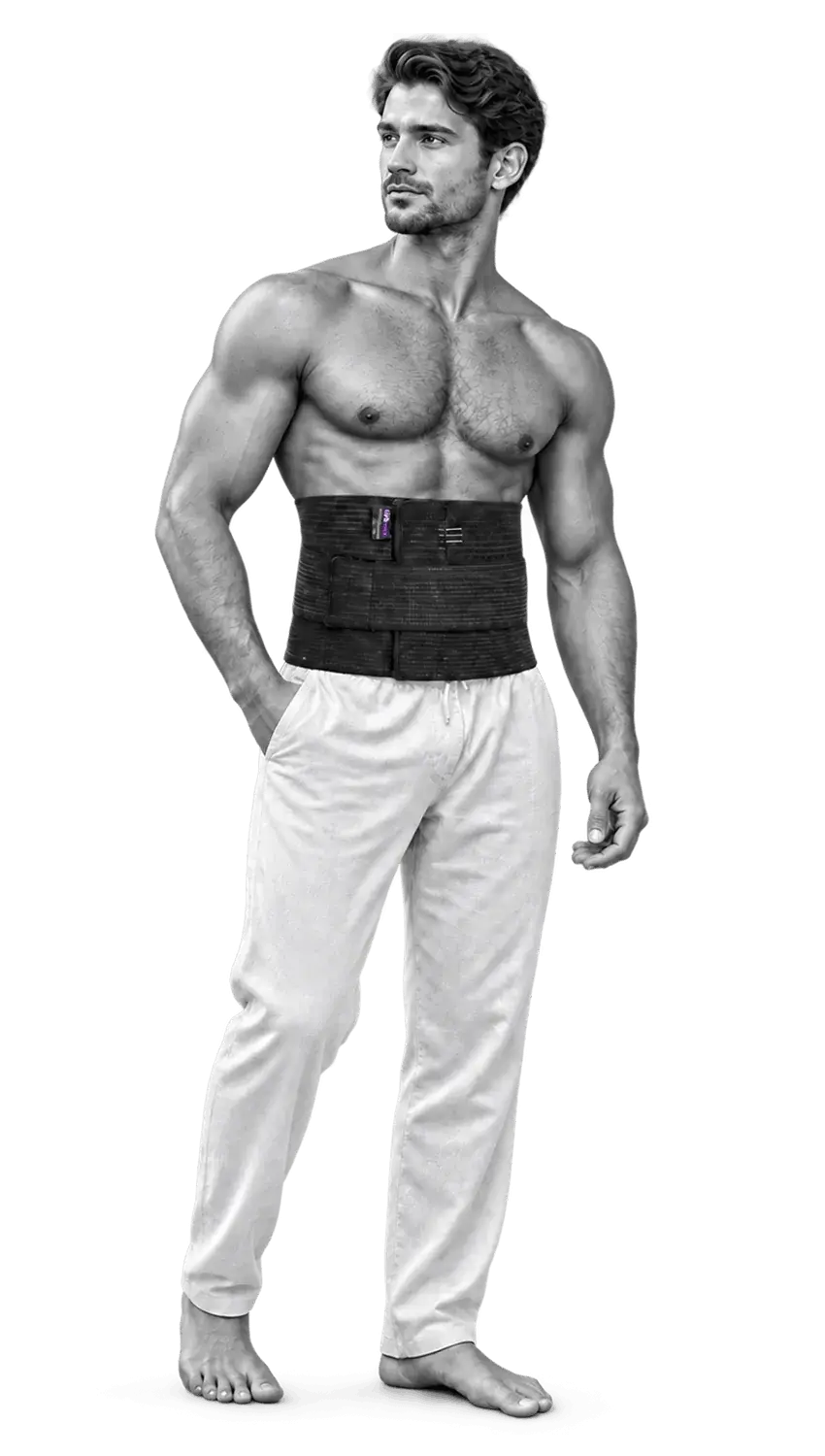
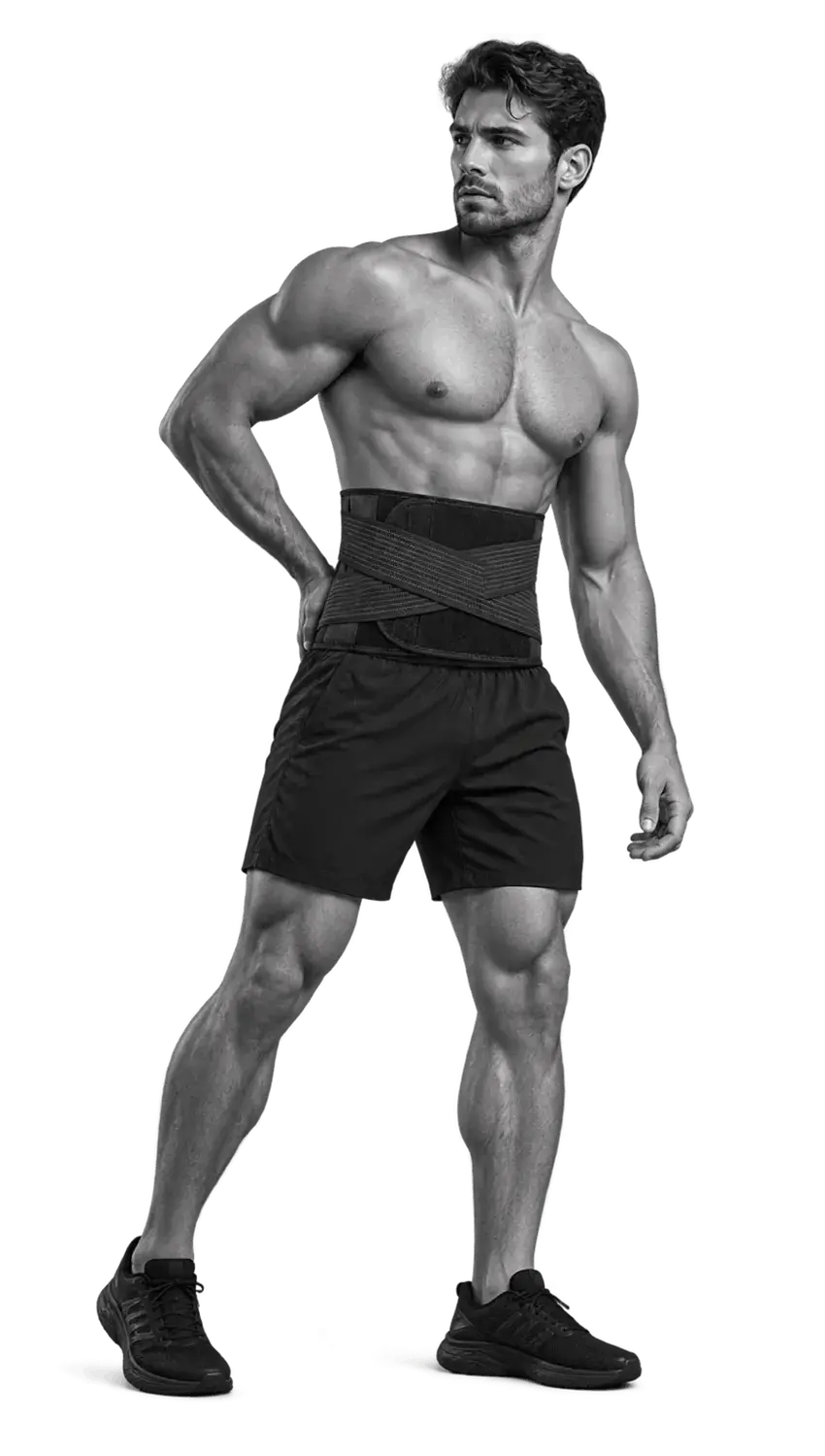
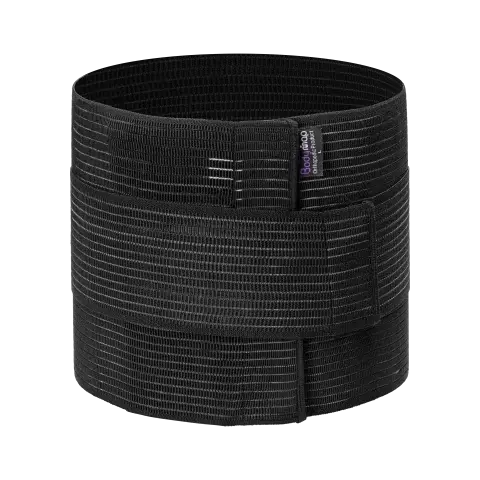
A belt earns its place when it is still comfortable eight hours in. Body Map lumbosacral belts, abdominal binders and maternity supports use wide, breathable panels and adjustable straps, so the level of compression is set by the wearer and changed as the day changes: firmer for lifting and long hours on your feet, gentler for sitting, driving and rest. Every support is sized and adjustable, and each should be selected and fitted with guidance from a qualified clinician.
Maternity SupportGentle, adjustable support for the growing abdomen
Abdominal SupportEven compression around the waist and lower back
Lumbosacral SupportFirm support across the lower back
Maternity SupportGentle, adjustable support for the growing abdomen
Abdominal SupportEven compression around the waist and lower back
Lumbosacral SupportFirm support across the lower back
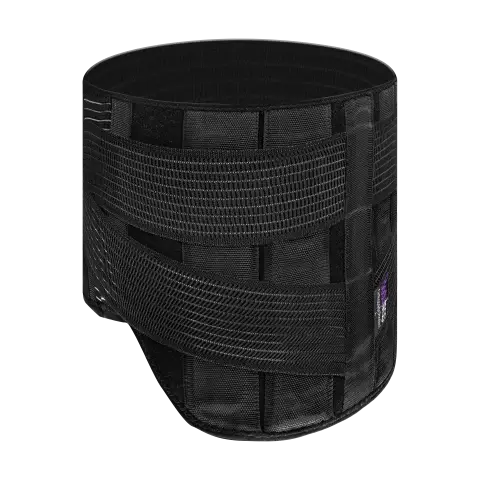
WHERE CORE SUPPORT TAKES HOLD
Lumbar, Abdominal and Maternity Support
From lumbosacral belts and abdominal binders to maternity supports, this range is built around the lower back and core. Adjustable compression, breathable materials and anatomical shaping let each support be fitted to the body and the task, supporting the spine, easing strain on the abdomen, and helping the body stay balanced through work, recovery and pregnancy.
Explore More Details By Selecting Any Product Below
Belt size comes from measuring the waist, not from a clothing size. The width of the back panel, the number of straps and how rigid the shell is decide whether a model suits long hours on your feet or lifting and a recovery period. Each product page gives the measuring point and how to fasten that model.

WRIST · HAND · THUMB · ELBOW
KEEP THEGRIP
WRIST, HAND, THUMB AND ELBOW SUPPORT
FOR WORK, SPORT AND RECOVERY.
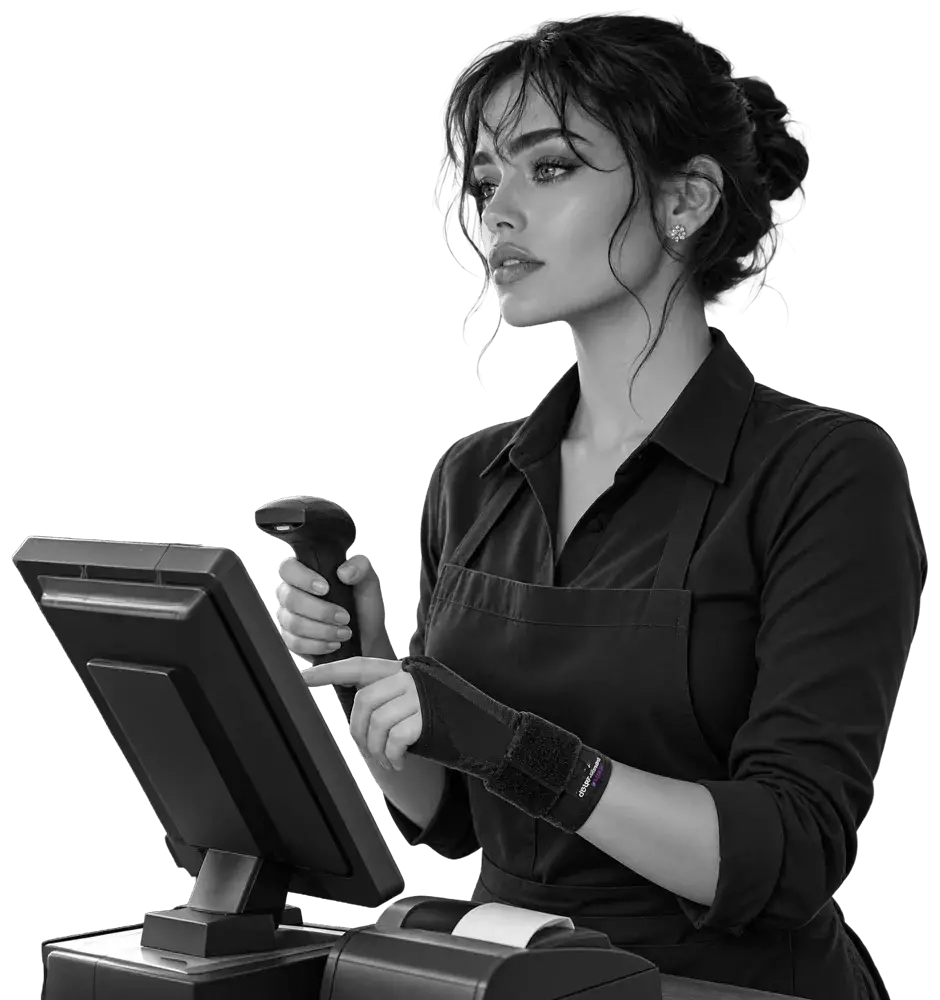
The wrist, hand and elbow do the small, repeated work of the day: gripping, typing, lifting, swinging. They are the first to feel it. Body Map wrist wraps, hand and thumb supports and elbow straps steady the joint through that repetition, hold it at the angle it is asked to work in, and let the pressure be set for the task and changed when the task changes. Every support is sized and adjustable, and each should be selected and fitted with guidance from a qualified clinician.
THE MOTION CARRIES ON
Wrist, Hand, Thumb and Elbow Support
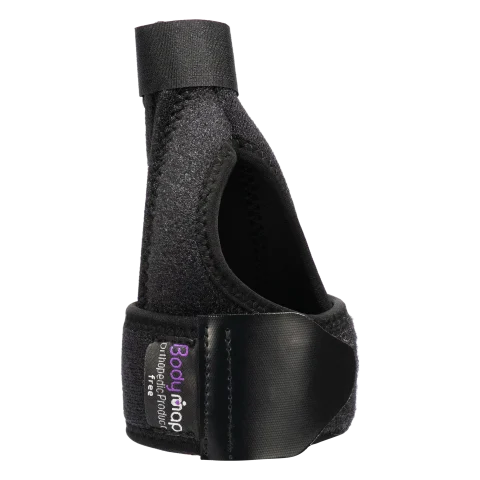
The wrist, hand and elbow carry the smallest and most repeated movements of the day: gripping, typing, turning, lifting, swinging. They are usually the first to complain. Body Map wrist wraps hold the joint through that repetition with an adjustable closure, so compression can be set for the task without restricting the fingers. Hand and thumb supports steady the thumb and the base of the hand where the load concentrates, in soft and semi-rigid constructions chosen by how much movement should be kept. Elbow straps sit below the joint and settle the pull of the forearm muscles through work and sport. Every support is sized and adjustable so the level of support can be matched to the person wearing it, and each should be selected and fitted with guidance from a qualified clinician.
Explore More Details By Selecting Any Product Below
WHERE THE KNEE CARRIES THE DAY
Knee Supports
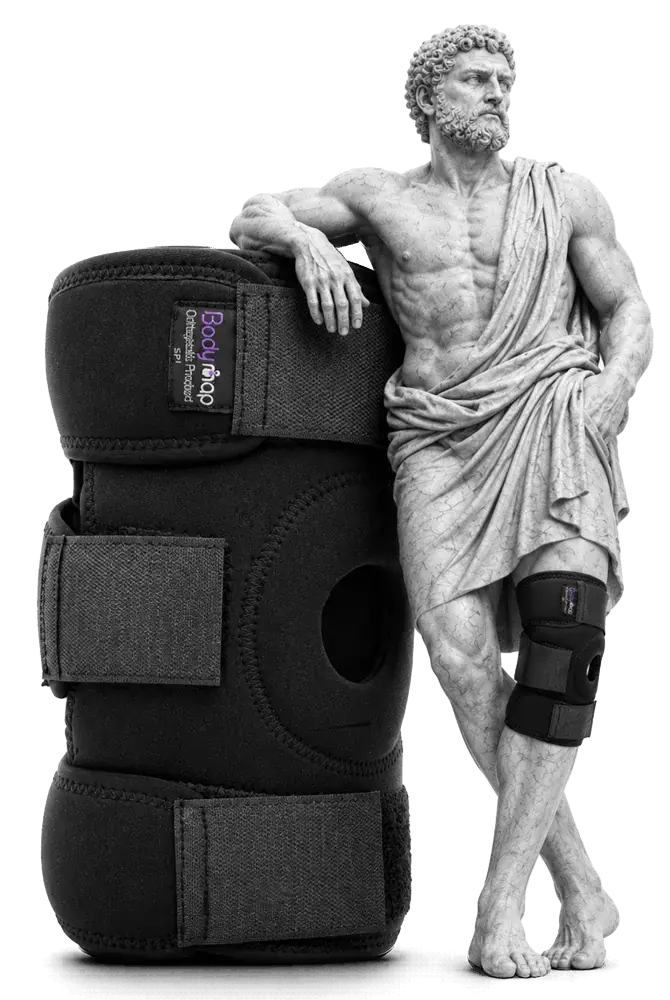
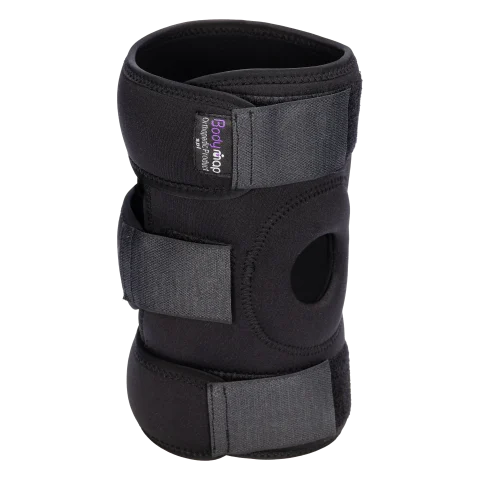
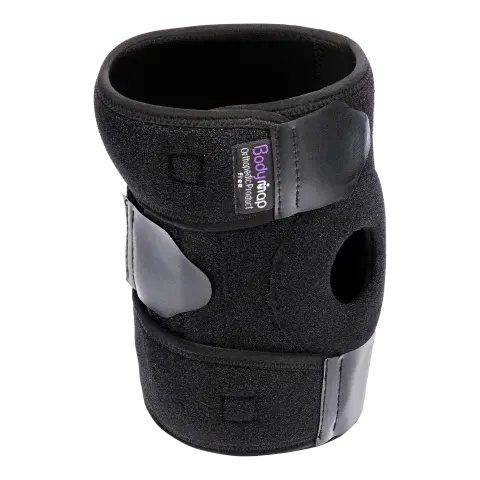
The knee bends and straightens through the whole of a day, and it carries the weight of the body through every step of it. Body Map knee supports steady the joint through that work, and each kind holds it in a different way. A knitted sleeve gives light, even compression for walking, standing and ordinary activity. An open-patella wrap holds the joint while leaving the kneecap free. A patellar strap presses on the tendon just below the kneecap, where the ache of running, jumping and stairs usually sits. A hinged support limits sideways movement where the knee needs holding while it recovers. Every one is sized from a measurement taken around the knee itself rather than from a clothing size, and every one is adjustable, so the hold can be matched to the person wearing it and eased as the day goes on. A support is not a diagnosis: where pain is severe, sudden, or getting worse, it should be looked at by a clinician first, and the support chosen and fitted with their guidance.

The knee bends and straightens through the whole of a day, and it carries the weight of the body through every step of it. Body Map knee supports steady the joint through that work, and each kind holds it in a different way. A knitted sleeve gives light, even compression for walking, standing and ordinary activity. An open-patella wrap holds the joint while leaving the kneecap free. A patellar strap presses on the tendon just below the kneecap, where the ache of running, jumping and stairs usually sits. A hinged support limits sideways movement where the knee needs holding while it recovers. Every one is sized from a measurement taken around the knee itself rather than from a clothing size, and every one is adjustable, so the hold can be matched to the person wearing it and eased as the day goes on. A support is not a diagnosis: where pain is severe, sudden, or getting worse, it should be looked at by a clinician first, and the support chosen and fitted with their guidance.
Explore More Details By Selecting Any Product Below
WHERE THE BLOOD CLIMBS BACK
Compression Stockings
Blood leaves the legs against gravity, and the return depends on the calf working like a pump and on valves that open only one way. When that return is sluggish the legs feel heavy by the afternoon, the ankles swell, and the surface veins begin to show. Graduated compression works with the calf rather than against it: the pressure is firmest at the ankle and eases as it climbs, so the flow is encouraged upward along the leg. Body Map compression stockings are knitted in Class 2 compression in two lengths, an AD that covers the foot and lower leg to just below the knee, and an AG that reaches the upper thigh and is held there by a silicone top band. Both are made in eight sizes, taken from measurements of the ankle, calf and thigh in centimetres rather than from a shoe or clothing size. They are best put on in the morning, before swelling has had time to gather, and smoothed flat rather than folded or rolled. Compression is not the right choice for everyone: it should be selected and fitted with guidance from a qualified clinician, and it is not suitable where arterial circulation is impaired.
Explore More Details By Selecting Any Product Below
WHERE THE STEP LANDS
Ankle Supports and Silicone Products
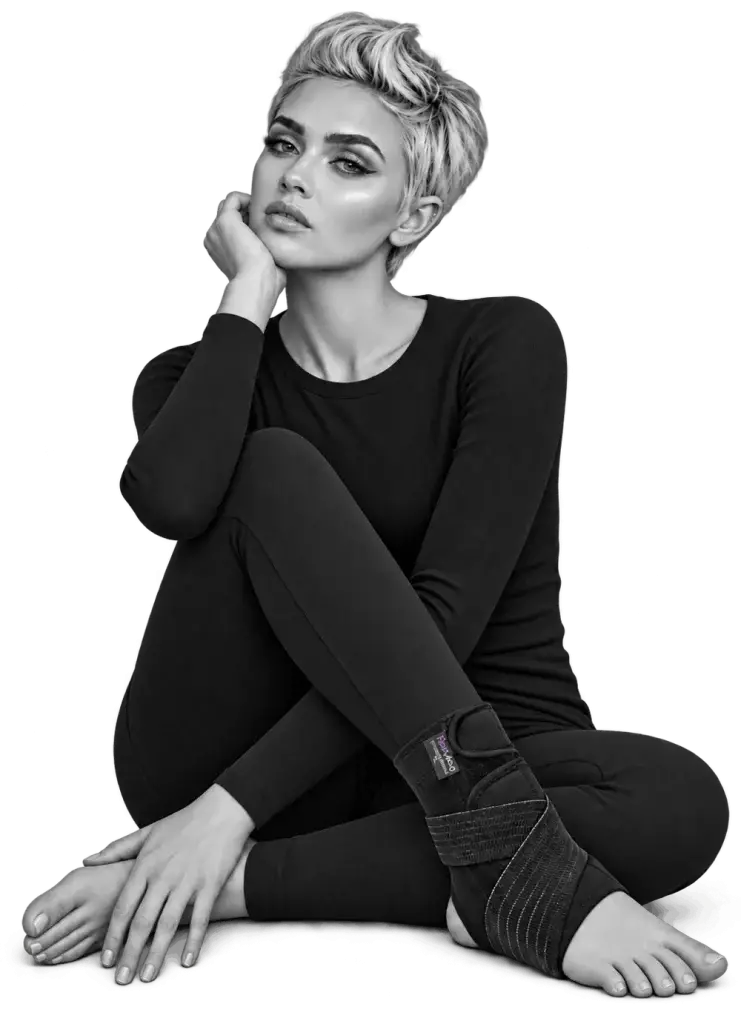
The ankle takes the weight of the whole body on ground that is rarely level, and it is the joint most often turned. Body Map ankle supports steady it through that: pull-on elastic and knitted sleeves where the joint needs only a light, even compression through walking and everyday activity, and wraps and strapped supports where it needs holding while it recovers. Every support is sized and adjustable, so the level of support can be matched to the person wearing it.
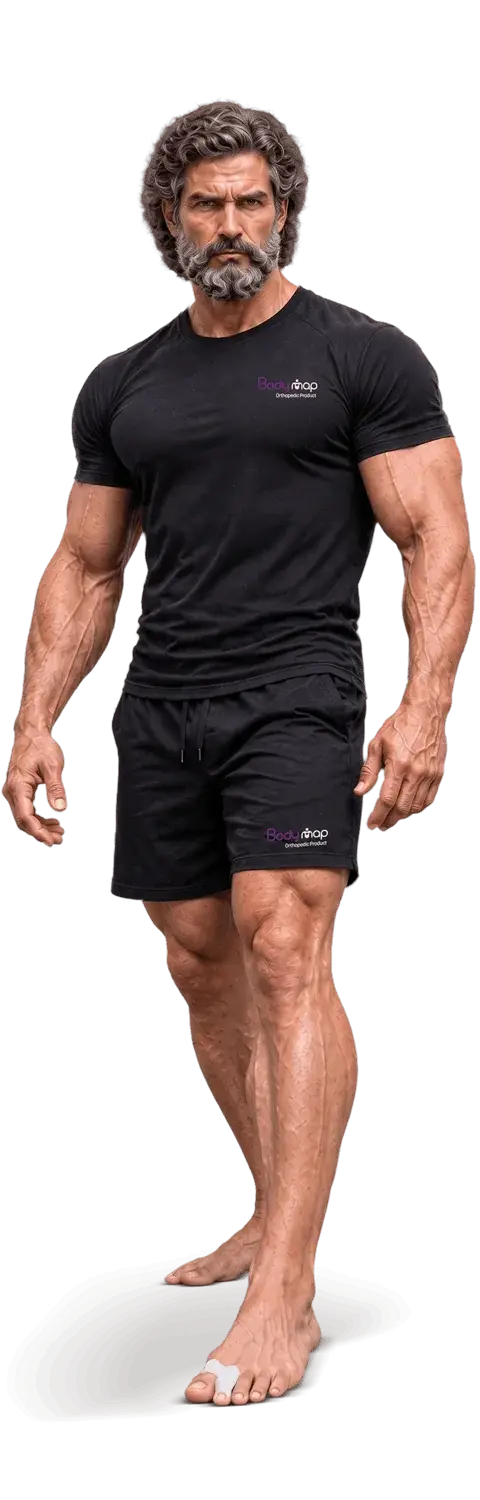
Below the ankle the work is a different one. The heel and the ball of the foot take the landing of every step, and there the answer is not a strap but a cushion. Medical silicone is soft enough to spread that load and firm enough to keep its shape under it. It warms to the foot, sits inside an ordinary shoe without altering the fit, and takes the pressure off a point that has grown sore, whether that is under the heel, across the forefoot, or over a place where the shoe rubs. It is washed with soap and water and used again rather than replaced. This part of the range is being prepared and will appear here as it arrives.
A support and a cushion are both worn alongside care, not instead of it: each should be selected and fitted with guidance from a qualified clinician, and where pain is severe, sudden, or getting worse it should be looked at in person first.
Explore More Details By Selecting Any Product Below
WHERE THE DAY WINDS DOWN
Orthopedic Cushions and Pillows
Support is not only worn. It is also sat on and slept on. Body Map cushions and pillows are shaped for the positions the body holds longest: a contoured pillow that settles the head and neck through the night, a lumbar cushion that fills the gap a chair leaves behind the waist, and a ring cushion that keeps weight off the centre through long periods of sitting. Each is shaped for a position rather than a single joint, and where one is used for a specific condition it should be chosen with guidance from a qualified clinician.
Explore More Details By Selecting Any Product Below