
Posture & Arm Supports
Clavicle braces, posture correctors and arm slings
Supports that draw the shoulders back into a more open position, and slings that carry the weight of the arm.
Shoulders back, arm carried
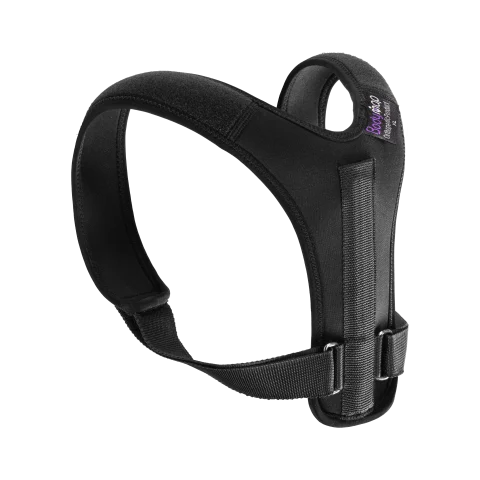
Two different jobs sit in this group. A posture or clavicle support wraps around both shoulders and gently draws them backwards, opening the chest and reminding the wearer where a neutral position is. It works as a prompt, not as a splint — the muscles still do the work.
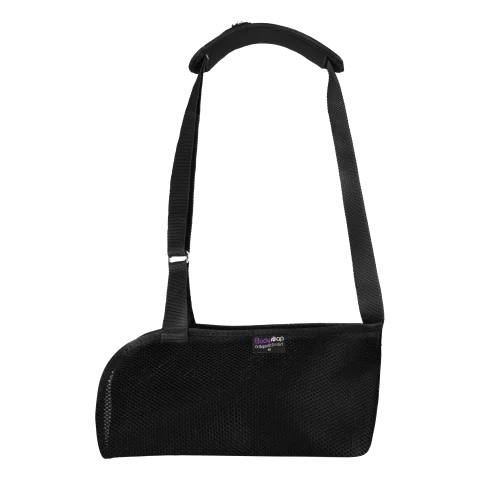
An arm sling does the opposite: it takes the weight of the arm off the shoulder entirely, so the shoulder, collarbone or upper arm can rest.
Narrow it down
Getting the fit right
A support that fits draws the shoulders back without pulling them together hard, and you should still be able to raise both arms overhead. The straps should not cut in under the arms. Aim for a gentle reminder rather than a fixed position: soreness across the front of the shoulders, or numbness in the arms, means it is too tight or has been worn for too long.
Choosing the right one
Choosing a posture or arm support
- Posture supports are sized by chest circumference, measured under the arms and around the widest part of the chest. The straps should feel like a steady pull backwards, not a squeeze.
- Start with short sessions. Half an hour at a time is a sensible beginning; the muscles between the shoulder blades are usually not used to working in that position and will ache if you overdo it on day one.
- Slings are chosen by the length of the forearm and by which side is affected. The elbow should rest at roughly a right angle with the hand slightly higher than the elbow.
- Check the straps against the neck. A sling that loads all its weight onto one point on the neck will cause a new problem within an hour; spread the strap or use the padding provided.
If you are recovering from surgery or an injury, or you have been given a specific brace to wear, follow the instructions of the clinician who prescribed it. Nothing on this page replaces that advice.
To see the differences, put Pouch Arm Sling (C08) and Posture Support Brace (C10) side by side.

Care and safety
Common questions
How tight should a posture support be?
Tight enough that you notice the pull when you slouch, loose enough that you can breathe normally and the straps do not dig into the armpits.
Can I wear it under clothing?
Most models are slim enough to wear under a shirt. Wear something thin underneath rather than against bare skin, both for comfort and to keep the support clean.
Will it fix my posture on its own?
No. It holds a better position while you wear it. Lasting change comes from strengthening and from changing the setup that caused the problem — a desk, a chair, a screen height.
A posture support is a reminder, not a fix
Posture supports work best when they are treated as training wheels. Worn for part of the day, they teach the shoulders where neutral is; worn constantly, they let the muscles that should be doing that job get lazy. Build the time up gradually and pair it with movement rather than replacing it.
Supports for the neighbouring areas are gathered in Cervical & Chin Supports and Lumbosacral & Abdominal Supports.
Posture and arm supports
Look at what you need the product to do. If the aim is to hold the shoulders in a better position while you work, a posture support is the right family. If the aim is to rest the arm, you need a sling.