
Wrist, Hand & Thumb Supports
Wrist splints, hand supports and thumb spicas
Wrist splints with and without a stay, hand supports, and thumb spicas that hold the thumb column steady while leaving the fingers free.
Small joints, constant use
The wrist and thumb are difficult to rest, because almost everything the hand does passes through them. That is why supports for this area are the most-used products in any orthopedic range, and why fit matters more here than almost anywhere else.
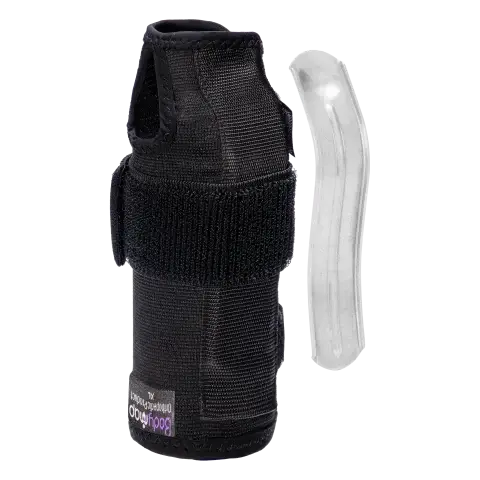
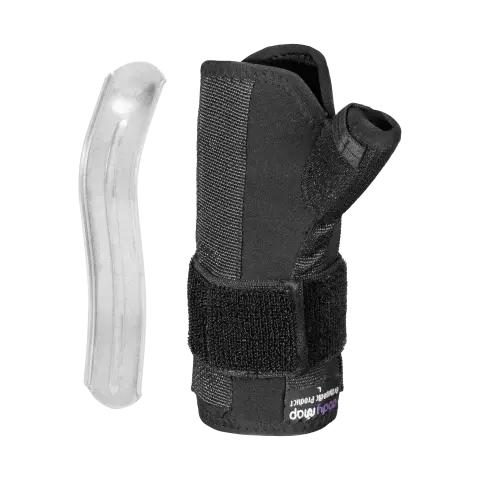
Wrist splints hold the wrist in a neutral position, often with a metal or plastic stay along the palm side, so the tendons that run through the wrist are not being repeatedly bent. Thumb spicas add a channel that holds the thumb column while leaving the fingers free to work.
Narrow it down
Getting the fit right
A splint that fits stops short of the palm crease so the fingers close normally, and holds the wrist steady without forcing it into position. The thumb, where it is included, should be held at the base and free at the tip. If the fingers tingle or go numb, or the edge digs in when you grip, it is too tight or too long.
Choosing the right one
Choosing a wrist or thumb support
- Measure the wrist circumference at the crease, keeping the tape level. Most ranges also split left and right, so check which hand you need.
- Decide whether you need a stay. A removable stay lets the same support work as a firm splint during the day and a lighter one for lighter tasks.
- Thumb spicas should hold the base of the thumb steady while the tip stays free enough to pinch. If the whole thumb is locked, the support is too long.
- The splint must stop short of the palm crease. If it crosses it, the fingers cannot close properly and the edge will dig in every time you grip.
If you are recovering from surgery or an injury, or you have been given a specific brace to wear, follow the instructions of the clinician who prescribed it. Nothing on this page replaces that advice.
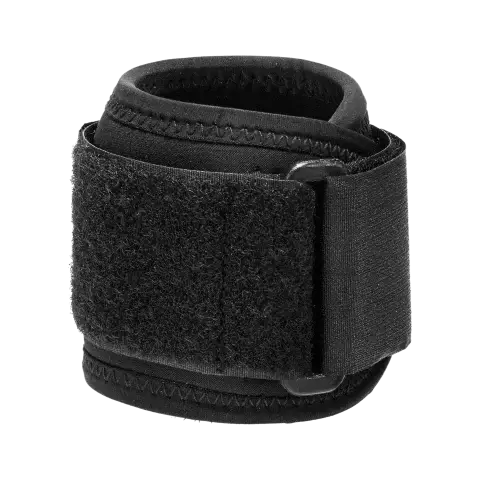
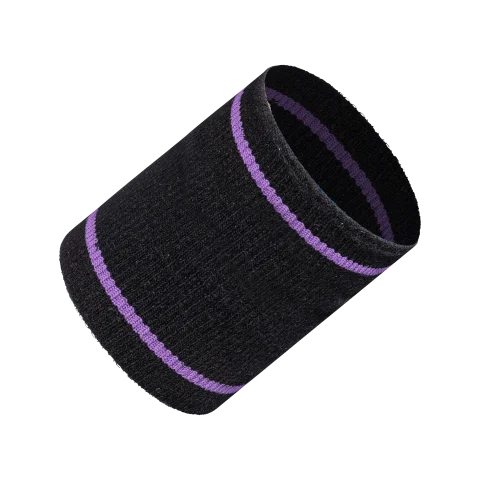
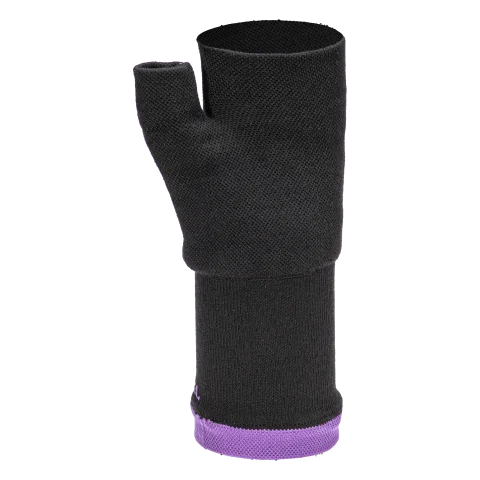
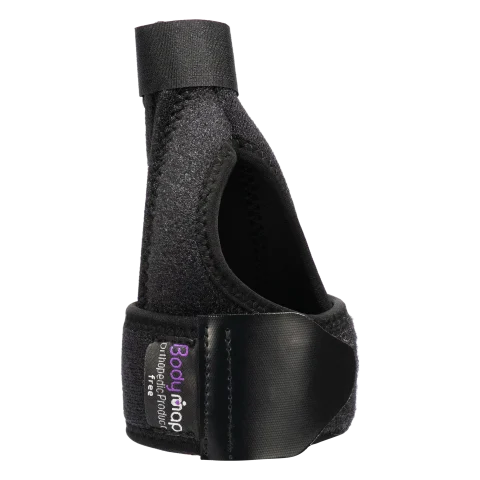
To see the differences, put Knitted Wrist Support (W02), Adjustable Wrist Wrap (W01), Wrist Support Splint (W20) and Neoprene Wrist & Thumb Splint (W22) side by side.

Care and safety
Common questions
Can I use the same splint on either hand?
Only if the model is described as universal. A shaped splint made for the right hand will not sit correctly on the left.
My fingers tingle when I wear it. What now?
Loosen it immediately. Tingling means something is being compressed. If loosening does not resolve it, stop wearing it and ask for advice.
Should I take the stay out?
If you need to bend the wrist for a task, yes. The removable stay exists precisely so the support can change job during the day.
Night wear and day wear
Wrist splints are often worn overnight, because the wrist tends to curl while asleep and that is what provokes the symptoms in the morning. A splint worn overnight can be looser than one worn for work — it only has to hold the position, not resist force.
During the day, tighten enough to keep the wrist neutral under load, and loosen it whenever you are resting.
Supports for the neighbouring areas are gathered in Elbow & Tennis Elbow Supports and Posture & Arm Supports.
Wrist, hand and thumb supports
The choice usually comes down to how much movement you need to keep. A splint with a stay holds the wrist much more definitely than a plain elastic support, but you will not be able to bend it — which is the point.