
Cervical & Chin Supports
Collars and chin straps for the neck and jaw
Cervical collars and chin supports that hold the head and neck in a steady, neutral position and take part of the load off the neck muscles.
Support for the neck, held where it should be
The neck carries the weight of the head all day, on a small stack of joints and a set of muscles that tire quickly once posture slips. A cervical support works by holding the head in a neutral position and passing part of that load onto the shoulders and chest, so the neck muscles are not the only thing holding the head up.
Bodymap cervical supports range from soft foam collars, which limit movement gently and are usually worn for short periods during the day, to firmer collars with a chin rest that hold the position more definitely. Chin supports address the jaw rather than the neck itself.
Narrow it down
Getting the fit right
A collar that fits holds the chin level and the eyes forward, with the jaw resting rather than pushed up. You should be able to speak and swallow without effort and slide a finger between the collar and the neck. If the chin is tipped upwards the collar is too tall; if the head still drops forward it is too short, or softer than the situation calls for.
Choosing the right one
Choosing a cervical support
- Measure the neck circumference at the level where the collar will sit, with the tape level and close to the skin but not compressing it.
- Check the height against the distance from the top of the breastbone to the underside of the jaw, sitting upright. The collar should meet the jaw without pushing it upwards.
- Soft or firm. Soft foam collars limit movement gently and are more comfortable for longer wear. Firmer collars with a chin rest hold the position more definitely and are usually worn for shorter, specific periods.
- Breathing and swallowing must stay comfortable. If either is affected, the collar is too tight or too tall.
If you are recovering from surgery or an injury, or you have been given a specific brace to wear, follow the instructions of the clinician who prescribed it. Nothing on this page replaces that advice.
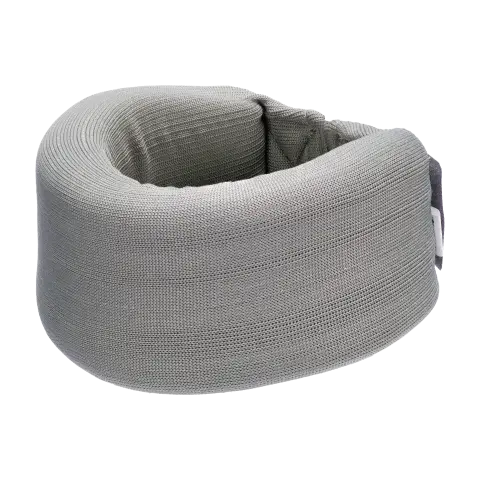
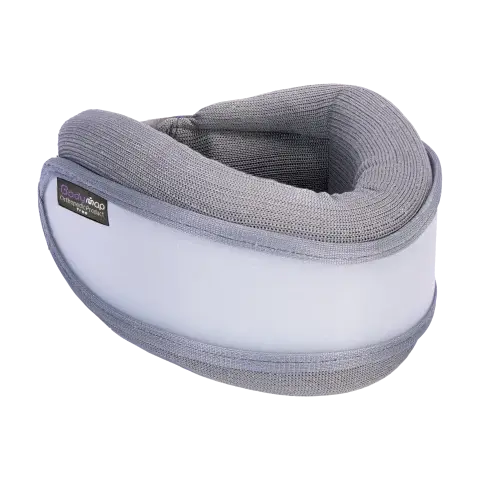
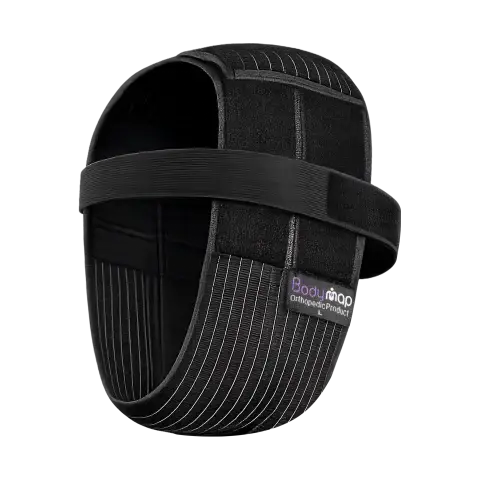
To see the differences, put Soft Cervical Collar (C01), Semi-Rigid Cervical Collar (C02) and Chin & Jaw Support Strap (C20) side by side.

Care and safety
Common questions
How long should I wear a cervical collar each day?
There is no single answer — it depends on why you are wearing it. Unless a clinician has given you a schedule, use it during the activities that aggravate your neck rather than around the clock.
Should it stop my neck moving completely?
No. Soft collars limit movement and remind you of your position; they are not designed to immobilise the neck. A brace that fully restricts movement is a different class of device and is prescribed, not chosen.
Can I sleep in it?
Only if you have been told to. A collar worn while asleep can end up twisted, which puts the neck in exactly the position you were trying to avoid.
Wearing a collar sensibly
A cervical collar is a support, not a cure. Muscles that are held still for long stretches lose condition, so unless a clinician has told you otherwise, wear it for the periods when your neck is under most strain rather than continuously. Take it off before sleeping unless you have been told to keep it on.
The collar should sit level, with the chin resting naturally and the head facing forward. If you find yourself tilting your head to make it comfortable, the height or the size is wrong.
Supports for the neighbouring areas are gathered in Posture & Arm Supports and Orthopedic Cushions & Pillows.
Cervical supports
Each model differs in height, firmness and how much movement it allows. Height matters as much as size: a collar that is too tall pushes the chin up and strains the neck, and one that is too short does not support it at all. Soft foam collars are worn for shorter, specific periods; firmer collars with a chin rest hold the position more definitely.